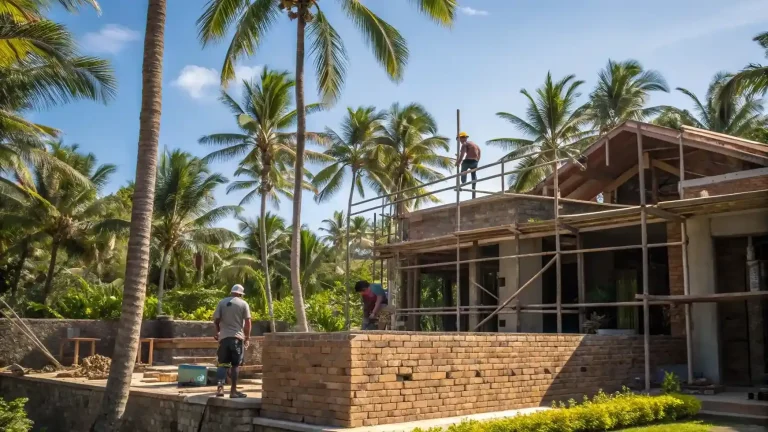

Exploring Bali’s Digital Nomad Scene in 2027
By 2027, Bali's digital nomad scene is thriving, with a focus on family-friendly living and secure, value-driven migration patterns for expatriates. This growth is supported by…
Read the note
Canggu · Ubud · Seminyak · Sanur — an independent guide to living in Bali
In short
Figures on this page are the published ones cited in these guides. Visa rules, costs and permit requirements change — confirm the current position with Indonesian immigration or a licensed agent before you act on anything here.

Chapter · 01
Bali expat living refers to the experience of foreign nationals residing long-term on the Indonesian island of Bali, navigating its unique immigration processes, securing suitable housing, and understanding the local cost of life. This independent editorial guide provides insights into legal residency pathways, popular expat neighborhoods like Canggu and Ubud, healthcare infrastructure, and the financial realities for various groups, including remote workers, retirees, families, and entrepreneurs settling in Bali. It encompasses the practicalities of daily life, cultural immersion, and integration into the island's diverse international community, offering a comprehensive resource for those considering an expatriate lifestyle.
The scent of frangipani often accompanies the hum of scooters and the distant chime of gamelan, a constant backdrop to daily life in Bali. This island, situated between Java to the west and Lombok to the east in the Lesser Sunda Islands, draws individuals seeking new horizons. From the dynamic digital nomad hubs to serene retirement enclaves, Bali presents a complex yet compelling proposition for those considering an expatriate lifestyle. Understanding the practicalities—from visa acquisition to daily budgeting—is paramount for a successful transition.
Chapter · 02
Securing the appropriate visa is the foundational step for anyone considering living in Bali for an extended period. Indonesia's immigration landscape has evolved significantly, offering various options beyond the standard tourist visa. While a tourist visa allows for stays of up to 30 or 60 days, it is not suitable for those planning to establish a life on the island. For stays longer than a few months, prospective expats must explore other categories.
The standard visa-on-arrival (VOA) permits a 30-day stay, extendable once for another 30 days. For those requiring a slightly longer initial period, a B211A visa can be obtained prior to arrival, allowing for up to 60 days, also extendable. However, these are strictly for tourism and do not permit any form of income-generating activity within Indonesia. For individuals exploring the possibility of bali expat living, these short-term visas might serve as an initial reconnaissance period to assess neighborhoods, housing, and the overall atmosphere before committing to a longer-term solution.
Indonesia has been actively developing policies to attract digital nomads. While a specific "digital nomad visa" is still under discussion and implementation, many remote workers currently utilize business visas (B211A) that allow for longer stays and multiple entries, though officially, working for an Indonesian entity is not permitted. The focus for these visas is typically on meetings, business development, or remote work for foreign companies. The prospect of a dedicated new visa designed specifically for remote work is highly anticipated, promising clearer guidelines and potentially longer durations, making working remotely from Bali more straightforward. Many individuals who engage in remote work find Bali's infrastructure, from co-working spaces to reliable internet, conducive to their professional needs.
For those committed to a truly long term stay, such as retirees or individuals with significant investments, options like the Retirement Visa (KITAS Lansia) or various investment visas (KITAS/KITAP) become relevant. The retirement visa is generally available to individuals aged 60 and above who can demonstrate sufficient funds to support themselves without working in Indonesia. These visas often require a local sponsor and a commitment to hiring local staff. Similarly, investment KITAS options cater to those willing to invest a certain amount in Indonesian businesses or property. The process for these longer visas can be complex, often requiring significant documentation and, in some cases, funds to be paid upfront for processing or as a deposit. Some expats also explore possibilities for a home visa or other family-sponsored options if they have Indonesian spouses or children.

Chapter · 03
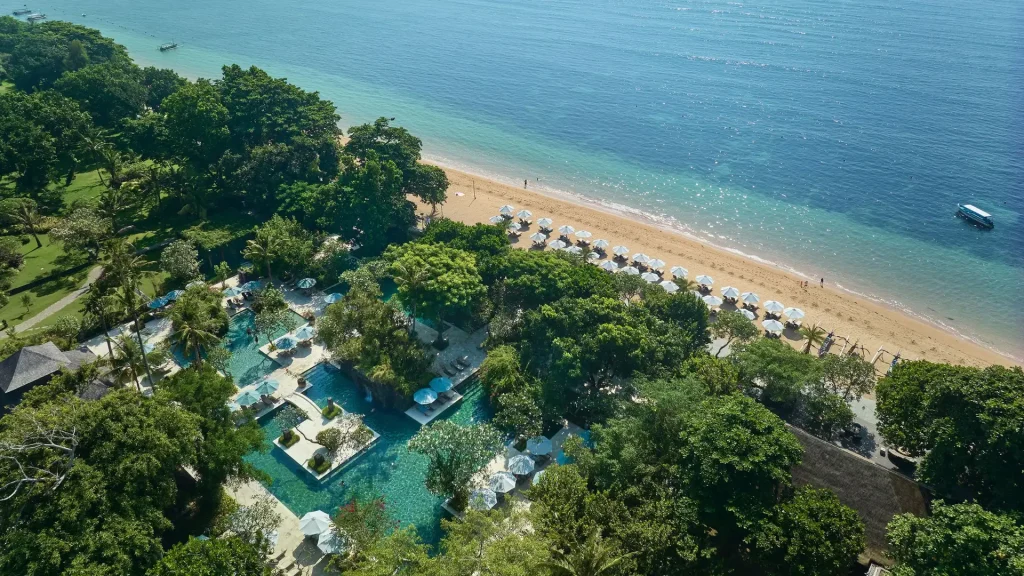
Securing appropriate accommodation is a primary concern for anyone embarking on Bali expat living. The island offers a diverse range of housing options, from simple rooms to luxurious villas, catering to various budgets and lifestyles. Popular areas each have their distinct character, influencing the daily experience of residents.
When searching for housing, options include renting villas (often with private pools), apartments, or even a basic room in a guesthouse. Lease terms can vary significantly, with many properties requiring rent to be paid upfront for several months or even a year, especially for longer-term rentals. Understanding rental contracts and local customs is crucial to avoid misunderstandings.

Chapter · 04
One of the most appealing aspects of living in Bali for many foreigners is the thriving and diverse expat community. This network provides a crucial support system, offering advice, friendship, and a sense of belonging in a new country. The island's international population has grown steadily; the Indonesian Ministry of Tourism estimated 109,801 foreigners living on the island in 2021. This figure underscores a significant demographic shift within a province whose official mid-2024 population estimate was 4,461,260 residents, up from 4,317,404 at the 2020 census. These numbers reflect Bali's transformation into a global destination for long-term stays, not merely tourism.
Prospective expats often compare their origins to this diverse mix, seeking communities that align with their lifestyle and professional aspirations. The island's infrastructure, from international schools to healthcare facilities, has evolved to support this increasing expatriate presence. Social groups abound, catering to various interests from sports and hobbies to professional networking. Online forums and social media groups are invaluable resources for connecting with other expats, sharing information, and finding events. For an expat family, these connections are particularly important for children to find friends and for parents to share experiences and resources.
Chapter · 05
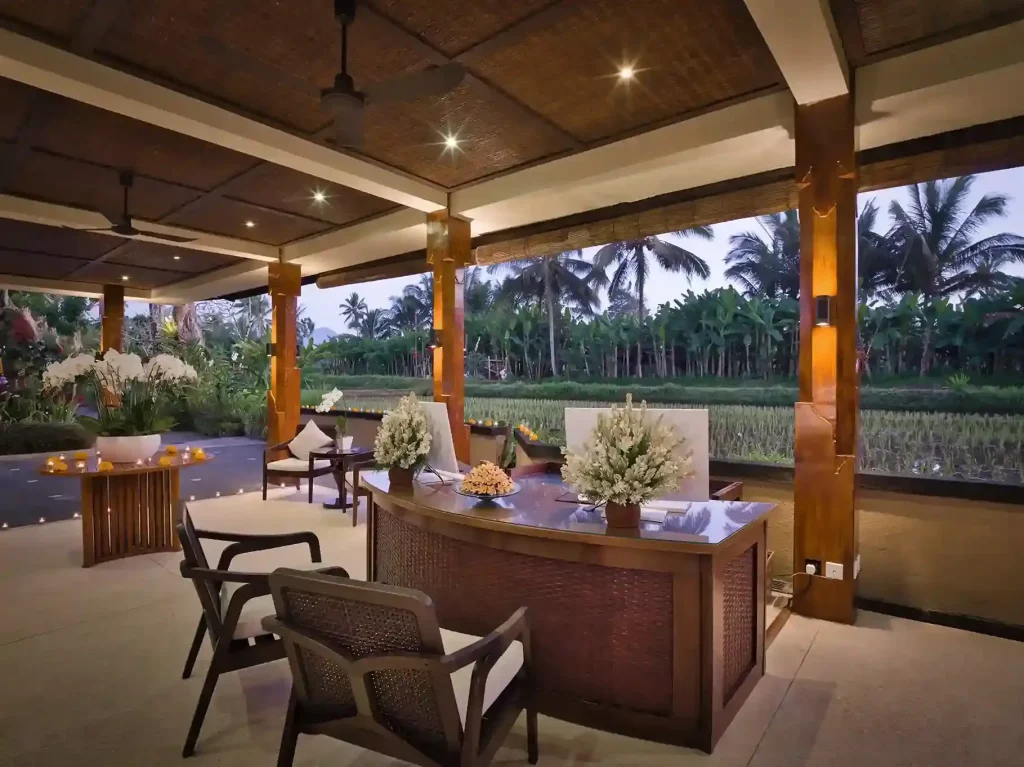
Bali has become synonymous with working remotely, attracting a global workforce drawn to its unique blend of lifestyle and professional opportunities. While the island offers an often affordable lifestyle compared to Western countries, understanding the economic realities is vital. The cost of living can vary dramatically depending on individual choices regarding housing, transportation, and entertainment.
Many most expats find that while certain luxuries can be expensive, daily essentials like local food and basic services are quite reasonable. For those engaged in remote work, internet connectivity is generally reliable, and co-working spaces are plentiful, especially in areas like Canggu and Ubud. However, it's important to remember that earning an income directly from an Indonesian entity as a foreigner typically requires a specific work permit (KITAS Izin Kerja), which is separate from a standard investment or retirement visa. Most digital nomads continue to work for companies outside Indonesia, receiving income in their home currency.
Budgeting for Bali expat living involves several key components:

Chapter · 06
Embracing island life in Bali means immersing oneself in a rich of traditions, spirituality, and natural beauty. The island's Hindu heritage deeply influences Balinese life, manifesting in daily offerings, ceremonies, and a strong sense of community. Understanding and respecting the local culture is paramount for a harmonious experience.
The rhythm of life here is often described as laid back, though traffic in popular areas can be intense. Daily routines might include morning yoga, enjoying fresh tropical fruits, working from a cafe, and witnessing a local ceremony. Balinese Hinduism is unique, incorporating elements of animism, ancestor worship, and reverence for nature. Expats will frequently encounter small offerings (canang sari) placed on sidewalks and shrines, the island's spiritual devotion. Belief in spirits, both benevolent and sometimes perceived as evil spirits, is an integral part of Balinese culture, influencing many aspects of daily life and architectural design.
Geography and its Influence on Expat Life: Bali's geographical position, part of the Lesser Sunda Islands, contributes to its distinct climate and natural environment. This environment, characterized by volcanic mountains and coastal plains, influences everything from housing availability to agricultural practices. The island's compact size means that different regions, such as the surf-centric Uluwatu or the cultural heart of Ubud, are relatively accessible, yet each offers a unique atmosphere. Understanding these regional distinctions is crucial for new arrivals, as the choice of location profoundly impacts daily living, social circles, and access to specific amenities. The island's topography also plays a role in the availability of fresh produce and the development of local infrastructure.
From complexities of immigration to finding your niche within the vibrant expat community, Bali expat living offers a transformative experience. It requires adaptability, an open mind, and a willingness to embrace a culture distinct from one's own. With careful planning and a respectful approach, the rewards of calling this enchanting island home can be profound.
From the journal
By 2027, Bali's digital nomad scene is thriving, with a focus on family-friendly living and secure, value-driven migration patterns for expatriates. This growth is supported by…
Read the noteIn 2027, the Bali expat rental market is expected to continue its upward trend in rental prices, driven by increased demand from digital nomads and expat…
Read the noteThe future of expat living in Bali 2027 is set to be shaped by family-centric housing demands, secure gated community living, and value-driven relocation patterns. As…
Read the noteOn the record
From complexities of immigration to finding your niche within the vibrant expat community, Bali expat living offers a transformative experience. It requires adaptability, an open mind, and a willingness to embrace a culture distinct from one's own. With careful planning and a respectful approach, the rewards of calling this enchanting island home can be profound.
Planning more of your trip? Explore private Bali chauffeur service to round out your plans.