
Best Time for Bali Expat Living
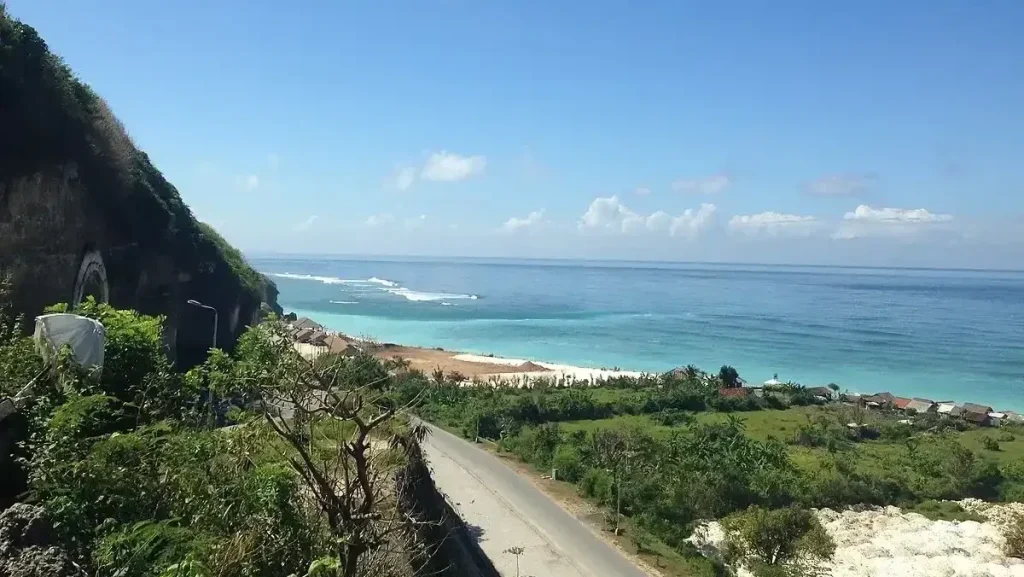
The equatorial sun casts long shadows over terraced rice paddies, the air thick with the scent of frangipani and sea salt. Volcanic peaks rise in the distance, a constant sentinel over an island that draws millions. Bali, lying between Java to the west and Lombok to the east in the Lesser Sunda Islands, presents a unique proposition for those seeking a life beyond their home borders. Understanding the rhythms of this island, its climate, and its administrative cycles is crucial for a smooth transition for any prospective expat.
The Dry Season: Ideal for Settling In
The dry season in Bali typically extends from April to October, characterized by lower humidity, less rainfall, and more consistent sunshine. This period is widely considered the most favourable for new expats to arrive and establish themselves. Clear skies and comfortable temperatures, averaging around 28-30 degrees Celsius, simplify the practicalities of villa viewings, property inspections, and understanding the island’s often-congested roads. Securing housing, whether a long-term villa rental in Canggu or a quiet retreat in Ubud, is less complicated when weather conditions are predictable. The calmer seas during these months also benefit those drawn to coastal living or water sports. The B211A visit visa for Indonesia typically allows an initial 60-day stay, extendable twice for up to 180 days total, providing ample time within the dry season to complete initial setup procedures. The official mid-2024 population estimate for Bali was 4,461,260 residents, indicating a vibrant local community alongside the expatriate population. In 2021, the Indonesian Ministry of Tourism estimated that there were 109,801 foreigners living in Bali, underscoring the island’s established expat infrastructure.
Shoulder Months: Balancing Climate and Crowds
Within the dry season, the shoulder months of April, May, June, September, and October offer a strategic window. These months still benefit from the excellent weather conditions but generally experience fewer tourist crowds compared to the peak months of July and August. This reduced congestion can make tasks like opening a local bank account, visiting immigration offices for visa extensions, or enrolling children in international schools, such as those in Sanur or Seminyak, a more streamlined process. The cost of short-term accommodation upon arrival might also be marginally lower outside of the absolute high season. For remote workers, these months provide a calmer environment for integrating into co-working spaces or establishing home offices without the intense energy of peak tourist periods. A comfortable expat lifestyle in Bali commonly costs around USD 1,500 to 2,500 per month, depending largely on housing choices, and these shoulder months can offer slightly more favourable rental negotiations for initial leases.
Understanding the Wet Season: Considerations for Arrival
The wet season, generally from November to March, brings higher humidity and more frequent, often intense, rainfall. While tropical downpours can be dramatic, they typically occur in short bursts rather than prolonged periods. However, constant rain can disrupt daily routines, make road travel more challenging due to potential flooding in low-lying areas, and impact outdoor activities. For new arrivals, the wet season might present certain difficulties in property viewing, as some areas can be prone to dampness or access issues. Construction projects and infrastructure maintenance often slow down during this period. Nevertheless, the wet season also offers lush green landscapes and fewer tourists, particularly from January to March, making it a quieter time. Expats focused on internal tasks, such as online business setup or extensive research, might find the calmer atmosphere conducive. The population of Bali province was 4,317,404 at the 2020 census, showcasing a substantial local base that continues its daily life regardless of the season.
Visa and Legal Timelines: Synchronizing with Your Arrival
Understanding visa processing times is paramount for any expat. The B211A visit visa, a common entry point, allows an initial 60-day stay and can be extended twice, each for 60 days, totaling 180 days. This means that an expat arriving in April can effectively utilize the entire dry season and into the early wet season to complete their initial setup. For those aiming for a KITAS (Kartu Izin Tinggal Terbatas), the limited stay permit, the application process can be complex and typically requires sponsorship from an Indonesian entity or a specific visa type like a retirement visa. Initiating these processes during the dry season allows for easier travel to immigration offices in Denpasar or other administrative centres. Waiting times for appointments or document processing can fluctuate, so allocating sufficient buffer time is always advisable. Knowledge of Indonesian immigration rules for remote workers is critical, as specific visa pathways are evolving. Indonesian immigration regulations are subject to change, underscoring the need for up-to-date information.
Cost of Living and Seasonal Fluctuations
While a comfortable expat lifestyle in Bali commonly costs around USD 1,500 to 2,500 per month, depending largely on housing choices, seasonal variations can influence certain expenditures. During the peak tourist months of July and August, and around major holidays like Christmas and New Year, short-term accommodation and car rentals can see price increases. For long-term villa rentals, however, prices are generally negotiated for a 12-month period, mitigating significant seasonal swings. Food costs, transportation, and daily essentials remain relatively stable year-round. Understanding these micro-fluctuations helps in budgeting and financial planning. For instance, securing a long-term villa lease during the shoulder months might offer slightly better negotiation leverage with landlords. Healthcare and international insurance for Bali expats are year-round necessities, and their costs do not typically vary by season. Expatriate life involves careful financial planning.
Community Integration and Local Events
Integrating into the expat community and participating in local life is smoother during the dry season. Many community events, workshops, and social gatherings occur outdoors, making them more accessible and enjoyable in fair weather. Local festivals and ceremonies (Odalan) are integral to Balinese culture, and while they occur year-round, understanding them as a new expat is less challenging when weather conditions are stable. For families, children’s activities and school events are also less prone to weather-related disruptions. Understanding the nuances of popular expat areas such as Canggu, Ubud, Sanur, and Uluwatu involves experiencing them across different conditions, but initial exploration is best done when travel is easiest. The island’s vibrant culture, supported by a population rooted in tradition, offers a rich backdrop for those making Bali their home. Bali’s cultural calendar is extensive.
For comprehensive insights into visas, housing, healthcare, and settling legally, visit our main guide at baliexpatliving.com.