Travel Journal
Exploring Bali’s Digital Nomad Scene in 2027

By 2027, Bali’s digital nomad scene is thriving, with a focus on family-friendly living and secure, value-driven migration patterns for expatriates. This growth is supported by emerging neighborhoods and evolving infrastructure catering to remote workers.
Bali Digital Nomad Scene 2027
As 2027 unfolds, Bali’s digital nomad community is not only expanding but also evolving to meet the needs of a diverse expatriate population. The island offers an array of living arrangements, from affordable housing options to secure gated communities tailored for families. These developments reflect a broader trend of value-driven migration patterns, cementing Bali’s reputation as a prime destination for remote work.
In recent years, there’s been a noticeable shift towards creating environments conducive to both work and leisure. The island has seen a significant increase in the number of coworking spaces, with over 50 established venues by 2027, scattered across various neighbourhoods. These spaces provide high-speed internet and collaborative environments, crucial for digital nomads who often rely on connectivity. Furthermore, Bali’s government has been actively enhancing infrastructure, with improvements in road networks and public transport options, making commuting between neighbourhoods more efficient.
What are the best neighborhoods in Bali for digital nomads in 2027?
Pererenan and Canggu remain top choices for digital nomads due to their vibrant community, reliable internet, and proximity to coworking spaces. Sanur is also gaining popularity for those seeking a quieter, family-friendly environment with less traffic.
Pererenan, located adjacent to the Canggu, offers a blend of tranquillity and connectivity. It’s particularly appealing to families and professionals who appreciate its laid-back vibe yet easy access to essential amenities. The area has seen a 30% increase in expat residency over the past five years, driven by its appealing balance of lifestyle and work opportunities.
Canggu continues to thrive as a hub for digital nomads, thanks to its lively atmosphere and diverse culinary scene. The area is home to numerous cafes and eateries, catering to a variety of dietary preferences. The local government has invested in upgrading internet services in Canggu, ensuring that connectivity remains robust, a critical factor for remote workers.
Sanur, on the other hand, offers a more serene alternative, with its relatively quieter streets and a strong sense of community. It’s becoming increasingly favoured by families due to its proximity to international schools and family-oriented facilities. The area has benefited from recent infrastructure investments, improving road conditions and reducing travel time to other parts of the island.
Bali Digital Nomad Community: A Thriving Hub
The digital nomad community in Bali continues to thrive, thanks to the island’s welcoming environment and supportive infrastructure. Many digital nomads are drawn to Bali for its balance of work and lifestyle, with coworking spaces and collaborative hubs popping up in key areas. Connectivity remains robust, with good internet speeds available in most popular suburbs.
Collaborative hubs have become popular meeting points for networking and idea exchange among digital nomads. Events such as weekly meetups and workshops are regularly hosted, fostering a sense of community and encouraging professional development. These gatherings are often held in venues like Dojo Bali and Outpost, which are among the most frequented coworking spaces on the island.
Internet speed is a critical factor for digital nomads, and Bali has made significant strides in this regard. Average internet speeds in popular areas like Canggu and Ubud have reached upwards of 50 Mbps, which is suitable for most remote work requirements. Additionally, the island has seen a rise in the availability of fibre optic connections, further enhancing connectivity for residents and businesses alike.
Best Neighborhoods in Bali for Digital Nomads
- Canggu: Known for its vibrant atmosphere and access to coworking spaces.
- Pererenan: Offers a mix of tranquility and connectivity, ideal for families and professionals.
- Sanur: Provides a quieter option with family-friendly amenities and less congestion.
- Ubud Outskirts: Appeals to those seeking nature and wellness, with a growing number of expat-friendly accommodations.
The Ubud outskirts have become increasingly attractive to those drawn to nature and wellness-oriented lifestyles. The area is surrounded by lush greenery and offers numerous wellness retreats, yoga centres, and organic eateries. Expats here enjoy a slower pace of life while still having access to reliable internet and modern conveniences.
Bali Digital Nomad Visa E33G Requirements for Remote Workers 2027
The Bali digital nomad visa E33G, introduced to attract remote workers, includes specific requirements and benefits. Applicants must demonstrate a stable income and secure housing arrangements. This visa facilitates easier access to Bali’s dynamic work environment, promoting a transition for expatriates looking to establish a base on the island.
To qualify for the E33G visa, applicants need to provide evidence of a monthly income exceeding a specified threshold, which is set to ensure that expatriates can sustain themselves without local employment. Additionally, proof of accommodation, such as a lease agreement or property ownership documents, is required to confirm their living arrangements on the island. The visa also offers benefits such as access to local health services and simplified processes for opening bank accounts, making it easier for digital nomads to integrate into the local community.
2027 Note: Evolving Housing Trends for Expat Families
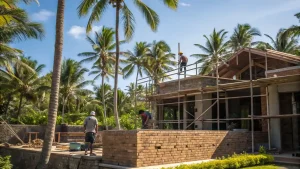
The housing market in Bali continues to evolve, with a noticeable shift towards family-centric demand. Gated community villas with round-the-clock security and concierge services are increasingly popular among expatriates. These developments align with the broader trend of secure, value-driven migration patterns. For those considering a trial year in Bali before full immigration, housing packages are available, offering flexibility and convenience.
Many of these gated communities offer amenities such as swimming pools, gyms, and playgrounds, catering to families with children. The demand for such housing has driven a 25% increase in construction of new family-oriented developments over the past three years. These communities are often located near international schools and healthcare facilities, making them particularly appealing to expat families.
FAQ
What are the benefits of the Bali digital nomad visa E33G?
The E33G visa allows remote workers to reside in Bali with ease, offering a streamlined process for securing housing and access to local amenities, enhancing the overall expatriate experience.
Is Bali a good place for expat families in 2027?
Yes, Bali is increasingly accommodating expat families with its family-friendly neighborhoods, international school proximity, and secure housing options, making it an attractive destination.
How has the cost of living in Bali changed by 2027?
The cost of living in Bali has increased, particularly in popular areas like Canggu and Berawa, but remains competitive compared to many other international expatriate destinations. While rental prices have risen by approximately 15% over the past five years, the overall cost of living remains manageable, with affordable options still available in less tourist-heavy areas.