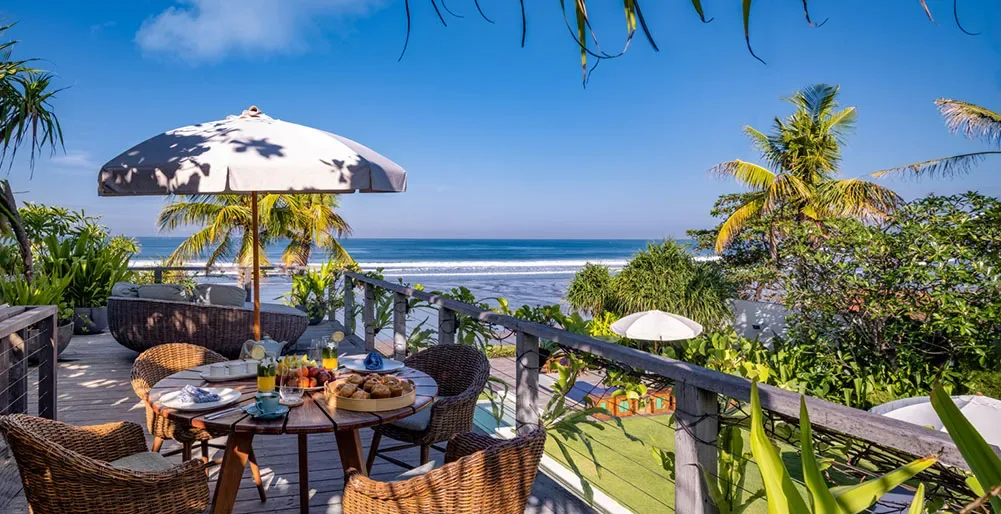

Best Time to Visit for Bali Expat Living

The optimal time to visit Bali for prospective and new expats depends on individual priorities, balancing weather patterns, seasonal costs, and visa considerations. While the dry season offers more consistent sunshine, the shoulder and wet seasons present opportunities for lower living expenses and a less crowded environment, crucial factors for those establishing a long-term presence on the island.

Deciding when to relocate to Bali involves more than just booking a flight. For those considering a life as an expat, understanding the island’s seasonal rhythms and their impact on daily life is paramount. This guide provides a detailed analysis to inform your arrival strategy, focusing on factors relevant to remote workers, retirees, families, and entrepreneurs.


Understanding Bali’s Climate and Its Expat Impact

Bali experiences two primary seasons: a dry season (April to October) and a wet season (November to March). The dry season is characterized by lower humidity, abundant sunshine, and less rainfall, making it generally more appealing for tourism. This period, however, also correlates with higher prices for accommodation, flights, and sometimes even daily goods due to increased demand. For new expats, arriving during peak dry season means competing with a larger tourist population for rentals and services. The official mid-2024 population estimate for Bali was 4,461,260 residents. This significant population, combined with a fluctuating tourist influx, influences the availability and cost of resources. Bali lies between Java to the west and Lombok to the east in the Lesser Sunda Islands, a geographical position that contributes to its distinct tropical climate. Considerations for schooling for expat families may also be impacted by seasonal enrollment patterns, as many international schools align with Western academic calendars. Entrepreneurs might find business opportunities shift with tourist volumes, with dry season favoring hospitality and retail, while the wet season allows for more focused internal development.

The Dry Season: Advantages and Disadvantages for Settlers

From April to October, Bali enjoys its dry season, marked by lower humidity and consistent sunny days. This period is often perceived as ideal for exploring the island, engaging in outdoor activities, and enjoying the beaches. For new expats, this translates to pleasant weather for house hunting, exploring neighborhoods like Canggu, Ubud, or Sanur, and generally settling in without the disruption of heavy rains. However, the dry season coincides with Bali’s high tourist season. This increased demand can drive up rental prices, particularly for short-term leases, and competition for desirable long-term properties may intensify. Traffic can be heavier, and popular spots are more crowded. For families, securing school placements might be easier if applications are made well in advance, as many expat families choose to arrive before the academic year begins. In 2021, the Indonesian Ministry of Tourism estimated that there were 109,801 foreigners living in Bali. This existing expat community is a resource, but also contributes to the demand for infrastructure and services during peak times. A comfortable expat lifestyle in Bali commonly costs around USD 1,500 to 2,500 per month, depending largely on housing choices; these costs can lean towards the higher end of the spectrum during the dry season.

Understanding the Wet Season: Opportunities for Expats

The wet season, typically from November to March, brings higher humidity and more frequent rainfall, often in short, intense bursts rather than continuous downpours. While some may view this as a deterrent, it presents unique advantages for new expats. Accommodation prices tend to be lower, and there is less competition for rentals, making it an opportune time to secure long-term leases at more favorable rates. The island is also less crowded, offering a calmer environment for settling in and navigating administrative processes. Remote workers may find the quieter atmosphere conducive to productivity, while retirees can enjoy a more relaxed pace of life. For entrepreneurs, the wet season can be a strategic period for market research, business planning, and setting up operations before the next high season. The B211A visit visa for Indonesia typically allows an initial 60-day stay, extendable twice for up to 180 days total. Arriving during the wet season provides ample time to explore options, extend visas, and finalize long-term living arrangements without the pressure of peak tourist activity. The population of Bali province was 4,317,404 at the 2020 census, indicating a substantial local population that maintains its rhythm regardless of tourist seasons.

Shoulder Seasons: The Strategic Sweet Spot

The shoulder seasons, generally April-May and September-October, often represent the most strategic times for new expats to arrive. These periods bridge the gap between the dry and wet seasons, offering a balance of pleasant weather and fewer crowds compared to the absolute peak. Rental prices may be more negotiable than in the high dry season, and availability of properties can be better. The pace of life is typically more relaxed, allowing for smoother integration into the local community and easier navigation of bureaucratic requirements. For families, arriving during the shoulder season allows for a more gradual adjustment to the new environment before the full swing of school terms. Entrepreneurs can leverage this period to network and establish connections without the intense competition of peak tourist months. The weather remains largely agreeable for exploration and outdoor activities, yet the intensity of tourist traffic is reduced. This timing allows for a more measured approach to finding the right neighborhood, understanding local customs, and establishing a support system.

Visa and Legal Considerations for Arrival Timing

The timing of your arrival also directly impacts visa and legal processes. Most prospective expats initially enter Bali on a visit visa, such as the B211A. This visa provides an initial 60-day stay, extendable twice, for a total of up to 180 days. Understanding this timeframe is crucial for planning your permanent residency or long-term visa application. Arriving during a quieter period, like the wet season or shoulder season, can make appointments at immigration offices potentially less crowded, though efficiency can vary. For those planning to establish a business or work remotely with a KITAS (Temporary Stay Permit), the application process can be complex and requires careful adherence to Indonesian regulations. Securing legal counsel and understanding the intricacies of company registration or work permit acquisition takes time. The B211A visa provides a buffer to complete these initial steps. A comfortable expat lifestyle in Bali commonly costs around USD 1,500 to 2,500 per month; budgeting for this during the initial visa extension periods is essential before a more stable income stream from remote work or business operations is established.

Final Considerations for Your Bali Arrival

Ultimately, the “best” time to visit Bali for expat living is subjective and depends on individual priorities. If avoiding crowds and securing better rental deals are paramount, the wet season (November-March) or shoulder seasons (April-May, September-October) are advantageous. If consistent sunshine and immediate access to a vibrant tourist scene are preferred, the dry season (June-August) might appeal, though with higher costs and more competition. Consider your personal financial situation, as a comfortable expat lifestyle in Bali commonly costs around USD 1,500 to 2,500 per month. This figure can fluctuate based on the season of your arrival and initial housing choices. Researching neighborhoods like Seminyak, Kerobokan, or Nusa Dua for retirees, or Denpasar for those seeking more local integration, is advised. The population of Bali province was 4,317,404 at the 2020 census, and the official mid-2024 population estimate was 4,461,260 residents, indicating a continuously growing island. The island remains a popular destination for foreigners, with 109,801 expats living here in 2021. This diverse community offers support and networking opportunities regardless of your arrival timing. Your preparation and understanding of Bali’s unique dynamics will be key to a successful transition.

Learn more about Bali on Wikipedia
Understand the term Expatriate
Explore Immigration to Indonesia

back to the guide

WhatsApp us