Canggu vs. Uluwatu: Best area for Bali expat living?

- For the Social Entrepreneur: Canggu’s concentration of co-working spaces, cafes, and events provides networking opportunities.
- For the Surf Purist & Family: Uluwatu’s world-class waves and larger, more private villas appeal to seasoned surfers and families desiring tranquility.
- The Deciding Factor: Your choice hinges on a simple trade-off—Canggu’s energetic convenience versus Uluwatu’s serene, sprawling geography.
The air shifts somewhere around the turnoff from Sunset Road. Heading north, the scent is one of damp earth, freshly cut grass from a rice paddy, and the faint, sweet smell of kretek cigarettes. A scooter horn, a friendly double-tap, punctuates the hum of a thousand small engines. You are on the road to Canggu. Veer south, however, and the air becomes drier, laced with salt spray from the Indian Ocean. The asphalt gives way to white limestone dust, and the dominant sound is the low rumble of powerful surf hitting the base of ancient cliffs. This is the path to Uluwatu. For years, our readers have asked the definitive question: for putting down roots, which corner of this island represents the pinnacle of the expatriate experience? As someone who has watched both areas evolve over the past decade, I can tell you the answer is not simple—it’s a matter of profound personal and professional calculus. The debate isn’t just about geography; it’s about defining your very existence on the Island of the Gods.
The Vibe and the Community: Social Hub vs. Serene Enclave
To understand the fundamental difference between Canggu and Uluwatu is to understand their social architecture. Canggu, particularly the trifecta of Berawa, Batu Bolong, and Pererenan, operates as a high-density social hub. It’s a place built on casual collisions—bumping into a venture capitalist at a 7 AM F45 class, sharing a table with a graphic designer at BGS coffee, or striking up a conversation at a La Brisa sunset session. The energy is kinetic, fueled by a demographic of digital nomads and young entrepreneurs in their late 20s and 30s. A friend of mine, a fintech founder who moved to Berawa in 2019, calls it “a perpetual networking conference where the dress code is boardshorts.” The community is transient yet deeply interconnected, with WhatsApp groups and Instagram stories serving as the central nervous system. This constant churn creates an environment of immense opportunity but can also lead to a certain social fatigue. The pressure to be ‘on’—at the new restaurant, the gallery opening, the Sunday market—is a real component of the bali expat living experience here.
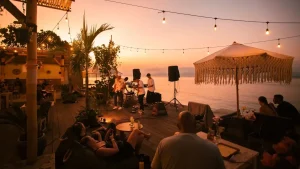
Uluwatu, spread across the vast Bukit Peninsula, offers the antithesis. The community is more established, less transient, and geographically diffuse. Life here is not built on serendipitous encounters but on intentional connections. Socializing requires planning—a drive to a friend’s villa in Bingin, a coordinated surf at Padang Padang, a group dinner at Mason. The demographic skews slightly older, with established professionals, families, and high-net-worth individuals who value privacy over proximity. The “Bukit” vibe, as locals call it, is centered on wellness, surf culture, and a profound appreciation for the natural landscape. Mornings start with a cliff-top yoga session, not a Zoom call from a busy cafe. Evenings end early, often after watching the sunset from a perch like Single Fin or Ulu Cliffhouse, with the cacophony of the day replaced by the rhythm of the ocean. It’s a community for those who have already built their network and now seek to cultivate a life of greater intention and tranquility.
The Daily Grind: Co-working, Connectivity, and Convenience
For the modern expatriate, the logistics of daily life and work are non-negotiable. In this arena, Canggu has an undeniable, almost unfair, advantage. The area boasts what is likely the highest concentration of world-class co-working spaces in Southeast Asia. Venues like Tropical Nomad, Outpost, and Dojo Bali (now closed but a pioneer in the scene) set the standard with fiber-optic internet speeds often exceeding 100 Mbps, ergonomic setups, and built-in social calendars. Beyond work, convenience is king. A high-quality grocer like Canggu Station, an international-standard medical clinic, and the Canggu Community School are all within a 10-minute scooter radius. A Gojek or Grab ride to acquire anything from a poke bowl to a new laptop charger rarely costs more than $2 USD and arrives in under 15 minutes. This frictionless existence is precisely what draws so many location-independent professionals. They can maximize productivity with minimal logistical friction, making it one of the most efficient places to live and work in the world.
Uluwatu presents a different operational reality. While the infrastructure is improving at a rapid pace, it remains fundamentally more challenging. Co-working spaces are emerging—Livit Hub in Bingin is a notable example—but they are fewer and farther between. Internet connectivity, the lifeblood of any remote worker, can be a gamble. While many luxury villas now have dedicated fiber lines, quality can vary dramatically just a few hundred meters down a dirt road. The geography itself dictates a different pace. The rolling hills and sprawling distances of the Bukit mean a powerful scooter (like a Yamaha NMAX 155) or even a car is not a luxury but a necessity. A simple grocery run might involve a 20-minute drive to a larger supermarket like Pepito in Ungasan. This is not a critique but a statement of fact: life in Uluwatu requires more planning and self-sufficiency. It rewards those who can structure their own days without relying on a dense external network of services, a key consideration when you plan your Bali expat living budget and lifestyle.
Surf’s Up: The Wave Scene Deconstructed
Bali’s modern identity is inextricably linked to its surf culture, and here, the two locales offer profoundly different experiences. Canggu’s beaches, composed of dark grey volcanic sand, are famous for their accessible and relatively forgiving waves. Batu Bolong is a longboarder’s paradise, a slow, peeling wave perfect for beginners and those looking to cruise. Echo Beach, just a kilometer north, offers a faster, more challenging left and right, but the sheer volume of surfers in the water can be overwhelming. On any given day, you can count over 100 boards in the lineup at Old Man’s. The scene is intensely social; it’s as much about the post-surf Bintang at a local warung as it is about the waves themselves. However, it’s critical to note that water quality in Canggu can be a significant issue, particularly during the rainy season from November to March, due to agricultural runoff from the surrounding areas.
Uluwatu, conversely, is the sanctum sanctorum of Indonesian surfing. This is where you find the legendary waves that have graced magazine covers for 50 years. As documented by surf historians and travel authorities like indonesia.travel, the Bukit Peninsula is a chain of world-class reef breaks. The main peak at Uluwatu itself is a powerful, multi-section left-hander that requires skill, fitness, and courage. Nearby, Padang Padang offers a perfect, barreling wave that hosts the prestigious Rip Curl Cup invitational, while Bingin and Impossibles provide similarly challenging, picture-perfect rides. These are not waves for the faint of heart; they break over sharp, shallow coral reef and are reserved for intermediate to expert surfers. The reward for this high barrier to entry is a purer surfing experience. The lineups are often less crowded than Canggu’s, and the community on the water is one of deep respect for the ocean’s power and the sport’s heritage.
Cost of Existence: A Realistic Budget Breakdown
A common misconception is that one area is definitively “cheaper” than the other. The reality is more nuanced and depends entirely on your lifestyle. A the numbers reveals that while fixed costs may differ, it’s the variable, day-to-day expenses that truly define your financial experience. For a comprehensive overview, our guide to Bali expat living costs is an essential resource. In Canggu, the primary financial pressure comes from a high velocity of spending. A two-bedroom villa in a prime Berawa location might rent for $25,000 USD per year. While this is a significant outlay, the real budget erosion happens in small, daily increments: the $4 oat milk latte, the $18 brunch at Milk & Madu, the $15 yoga class, the $200 monthly co-working membership, and the frequent social dinners and drinks. The sheer density of high-quality options creates a constant temptation to spend.
In Uluwatu, the cost structure is inverted. The price of entry for high-quality accommodation is generally higher. A comparable two-bedroom villa with a sea view in the Bingin or Padang Padang area can easily command $35,000 to $40,000 USD per year. Developers I’ve spoken with confirm that land prices on the Bukit have increased by over 300% in the last five years alone. However, once this primary cost is met, daily expenses can be significantly lower. With fewer cafes, restaurants, and boutiques per square kilometer, the lifestyle is inherently more home-centric. Socializing often means hosting a dinner party rather than meeting at a pricey beach club. The lack of dense commercial activity forces a more deliberate, and often more frugal, pattern of consumption. Your largest variable expense might be fuel for your car, not a daily brunch habit. This makes Uluwatu a paradox: more expensive to enter, but potentially cheaper to exist within on a day-to-day basis.
The Landscape: Rice Paddies vs. Limestone Cliffs
The visual identity of your chosen home base profoundly impacts your daily experience. Canggu’s aesthetic is, or at least was, defined by the ancient Balinese irrigation system known as “subak,” a UNESCO World Heritage cultural landscape. The sight of lush, terraced rice paddies reflecting the sky is a powerful one. However, the reality of 2024 is that this landscape is under siege from relentless development. While pockets of green remain, they are increasingly framed by four-story apartment blocks and brutalist-inspired concrete villas. The beaches are long, flat stretches of black sand, ideal for walking and sunset sessions, but they lack the dramatic punch of the south. The charm of Canggu is now a complex mix of old and new—a traditional temple ceremony taking place next to a busy digital marketing agency.
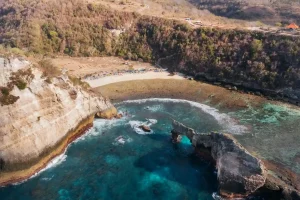
Uluwatu offers a landscape that is altogether more raw, ancient, and dramatic. The entire peninsula is a raised limestone plateau, culminating in spectacular cliffs that plunge 70 meters or more into a churning turquoise sea, most famously at the site of the Pura Luhur Uluwatu temple. The beaches are pockets of pristine white sand, hidden coves accessible only by descending hundreds of stone steps. This verticality defines the entire experience, offering expansive, panoramic ocean views from nearly every vantage point. The vegetation is hardier, more arid, with scrub brush and hardy trees clinging to the rock. While development is also rampant here, the sheer scale of the landscape and stricter zoning in some areas has allowed it to retain a sense of wild, open space that has been all but lost in the Canggu corridor. It’s a choice between a cultivated, man-made beauty and a wild, geological grandeur.
Quick FAQ: Canggu vs. Uluwatu at a Glance
Which area is better for families considering a move?
While Canggu has a higher concentration of international schools (Canggu Community School, ProEducation) and organized children’s activities, Uluwatu is often preferred by families for its larger villas, greater sense of security, and access to nature. The choice depends on prioritizing educational infrastructure versus living space and a quieter environment.
Where is the nightlife more vibrant?
This is not a contest. Canggu is the undisputed nightlife capital of the two, with a spectrum ranging from sunset beach bars like La Brisa to late-night clubs like The Vault and Morabito Art Cliff. Uluwatu’s scene is almost exclusively focused on sunset sessions at venues like Single Fin and Savaya, with most places closing relatively early.
How far apart are Canggu and Uluwatu, really?
Geographically, the distance is only about 35 kilometers. In terms of travel time, however, they can feel worlds apart. Thanks to Bali’s notorious traffic, particularly around the Kuta and airport corridors, the drive can take anywhere from 1.5 to 2.5 hours. This makes casual day trips between the two a significant time commitment.
Is a car necessary in either location?
In Canggu, a scooter is sufficient for 95% of daily needs, and many expats get by without any personal transport, relying on ride-hailing apps. In Uluwatu, a car or a powerful scooter is highly recommended. The hilly terrain, longer distances between amenities, and lack of consistent ride-hailing availability in more remote spots make personal transport almost essential for a comfortable life.
Ultimately, the decision of where to anchor your life in Bali is a reflection of your personal and professional priorities. There is no single “best area for bali expat living,” only the area that is best for you. Are you in a phase of building, networking, and hustling, energized by the friction and opportunity of a dense urban-style environment? Or are you seeking to cultivate a life of intention, wellness, and tranquility, drawing energy from the raw power of the natural world? Be honest with yourself about what you truly require from your environment. To truly craft your ideal life here, we invite you to explore our comprehensive guides and insights on bali expat living, your essential companion to making this island home.