
What is the true cost of luxury expat living in Bali?
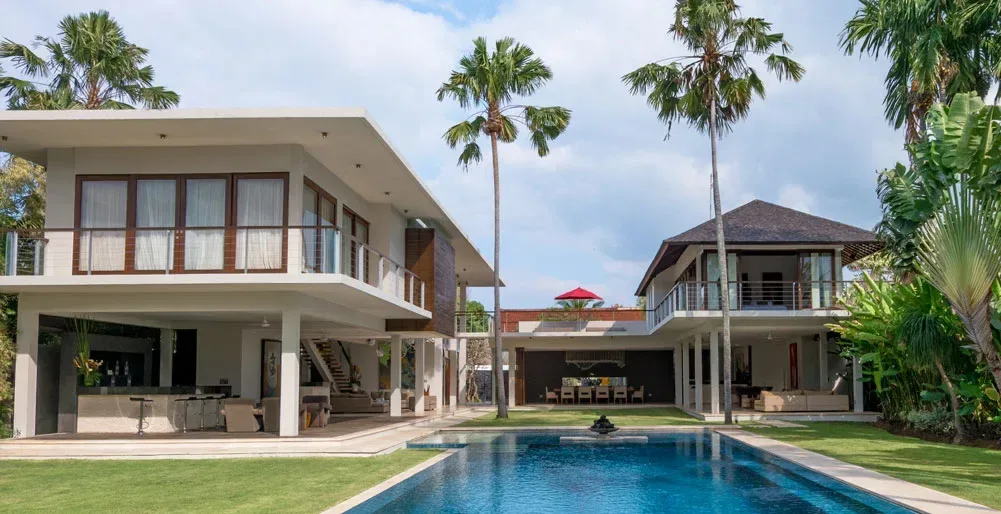
- High-End Villa Rentals: A fully-staffed, three-bedroom villa in a prime location like Canggu or Seminyak averages $4,000-$9,000 per month.
- Lifestyle & Indulgences: Daily expenses, including fine dining, wellness treatments, and beach club access, can add another $2,500-$5,000.
- Essential Overheads: International schooling, premium healthcare insurance, and visa processing can account for an additional $1,500-$4,000 monthly.
The scent of frangipani incense hangs in the humid air, mingling with the faint, sweet smell of clove cigarettes from the street. You are not in a hotel lobby. You are standing on the cool, polished concrete floor of your open-air living room, looking past a 15-meter infinity pool to a sliver of emerald green rice paddy. The distant hum of a scooter is the only sound breaking the morning calm. This isn’t a two-week vacation; this is a Tuesday in your new life. The fantasy of an elevated existence in Bali is a powerful one, heavily marketed and endlessly scrolled through. But beyond the curated feeds lies a complex financial reality. The question I hear most often in my circles is not *if* one should move, but what it truly costs to sustain a life of genuine luxury here. It’s a figure far removed from the $1,500-a-month backpacker budgets of a decade ago. Let’s peel back the banana leaf and examine the real numbers behind the dream of bali expat living.
The Villa Paradox: Renting vs. Owning Your Slice of Paradise
Your single largest expenditure will unequivocally be your home. The market for luxury villas in Bali is sophisticated and moves at a blistering pace. In prime zones like Canggu’s Berawa or the cliff-fronts of Uluwatu, the inventory of high-quality, long-term rentals is tight. My property consultant, Wayan Sudarma, who has managed portfolios for high-net-worth individuals for over 15 years, puts it plainly: “Clients arriving today expect a four-bedroom, fully-staffed villa with an enclosed living area and modern amenities. For that, in Pererenan or Seseh, they must be prepared to budget between $60,000 and $100,000 USD per year, paid upfront.” That’s a monthly outlay of $5,000 to over $8,300. These properties come with a full staff—typically a housekeeper, gardener, and pool maintenance—whose salaries (around $600-$900 total per month) are often included in the rental price. However, utilities are almost always extra. A large villa with heavy air conditioning use can easily run up an electricity bill of $400-$600 per month. Add another $50 for high-speed internet. The idea of “owning” property is a complex one for foreigners, governed by Indonesian Agrarian Law. Most expats opt for long-term leases (Hak Sewa) of 25 to 30 years, as direct ownership (Hak Milik) is reserved for Indonesian citizens. A deeper these legal structures is essential for anyone considering a more permanent footprint; you can find a solid primer in The Bali Expat Living Guide to Bali Expat Living. For most, the flexibility and lower capital risk of renting remains the most logical path.
Daily Indulgences: From Fine Dining to Wellness Sanctuaries
The day-to-day texture of your life is where the budget can either hold steady or spiral. While you can still get a delicious Nasi Campur from a local warung for under $3, the luxury expat lifestyle is defined by access to world-class amenities. A weekly shop for two at a premium grocer like Pepito or Frestive, stocking imported cheeses, Australian meats, and organic produce, will average $150-$200. Dining out is a major component of the social scene. A dinner for two with cocktails at a top-tier restaurant like Si Jin or MAURI will comfortably exceed $250. Even a more casual, though still chic, meal at a place like Mosto in Berawa will set you back $100. This lifestyle assumes dining out three to four times a week, pushing a monthly food budget towards $2,000-$3,000. Wellness is another pillar of Bali life. A membership at a premier fitness and recovery center like Body Factory Bali or The Canggu Studio costs around $180 per month. Private yoga instruction is about $50 per session. A 90-minute deep tissue massage at a luxury hotel spa, like the Mandapa, a Ritz-Carlton Reserve, can be upwards of $150. Many expats build a weekly regimen of fitness classes, spa treatments, and wellness practices like breathwork or sound healing, which can easily add another $500-$800 per person to the monthly budget. Then there are the beach clubs. Securing a daybed at Potato Head or Finns VIP on a weekend requires a minimum spend of IDR 2,000,000 (about $125 USD), a figure easily met with a few rounds of $15 cocktails and some light bites.
The Logistics of Luxury: Staff, Schooling, and Healthcare
Beyond the villa and lifestyle, the operational costs of a seamless existence are significant. While your rental may include basic staff, many families opt for more support. A full-time, English-speaking nanny costs between $500 and $700 per month. A private driver, a near-necessity given the challenging traffic and lack of reliable ride-sharing in some areas, will command a similar salary, plus fuel and vehicle maintenance costs, bringing the total to around $900 per month. For families, international schooling is the largest financial commitment outside of housing. Bali is home to several prestigious international schools. The Green School, famous for its progressive, nature-based curriculum, has annual tuition fees that can exceed $25,000 per high school student. More traditional institutions like the Bali Island School (BIS) have fees ranging from $15,000 to $23,000 depending on the grade level. For a family with two children, this single line item can add over $40,000 per year to their expenses. Healthcare is another non-negotiable, high-ticket item. Local healthcare is not up to Western standards for serious medical issues. Therefore, comprehensive international health insurance is critical. A premium plan for a family of four from a provider like Cigna or Allianz can cost between $1,000 and $1,800 per month. This ensures access to top-tier facilities like BIMC Hospital, where an out-of-pocket emergency room visit and consultation can cost over $150. These are the foundational costs you must account for when mapping out your finances, a topic we cover in more detail in our guide to Bali Expat Living Costs & What to Budget.
Visas and Administration: The Price of a Legal Stay
The days of perpetual visa runs are over. The Indonesian government has professionalized its immigration system, and a legal, long-term stay requires significant investment. The most common route for those not employed by a local company is the B211A Social-Business visa, which is now valid for 60 days and can be extended twice for a total of 180 days. The initial application through an agent costs around $300, with each 60-day extension costing a similar amount. For a more permanent solution, many expats pursue a KITAS (Temporary Stay Permit), often sponsored by setting up a foreign-owned company (PMA). The setup cost for a PMA can be $3,000-$5,000, and the investor KITAS itself costs around $1,500 annually. In late 2022, Indonesia introduced the “Second Home Visa” specifically targeting high-net-worth individuals. As detailed by the Ministry of Tourism and Creative Economy on their official website, this visa requires applicants to show proof of funds of at least IDR 2 billion (approximately $130,000 USD) held in an Indonesian bank account. This policy shift signals a clear focus on attracting affluent residents. Regardless of the path chosen, using a reputable visa agent is standard practice. Their fees, which range from $800 to $3,000 depending on the visa complexity, are a necessary cost to ensure compliance and navigate the often-opaque bureaucracy. Budgeting at least $2,000 per person annually for visa administration is a realistic starting point.
Island Exploration and Regional Travel: The Cost of Your Backyard
Living in Bali means having one of the world’s most dynamic regions at your doorstep. The cost of exploring it adds another layer to your budget. A weekend trip to the nearby island of Nusa Lembongan, staying at a boutique hotel like The Tamarind, can cost $700 for two nights, including fast boat transfers. A more ambitious journey, such as a 5-day private charter to dive in Komodo National Park, a designated UNESCO World Heritage site, will run between $4,000 and $7,000 per person. Bali’s Ngurah Rai International Airport (DPS) is a major hub, making weekend trips to Singapore, Kuala Lumpur, or Bangkok tempting and frequent. A spontaneous trip to Singapore for a weekend of shopping and dining can easily add $1,500 to the monthly spend. Within Bali itself, exploration requires transport. While many expats use scooters for short trips, a car is essential for families and for traveling longer distances, for example from Canggu to Ubud (a 90-minute drive without traffic). A reliable second-hand car like a Toyota Avanza costs around $10,000, while a new, larger SUV like a Mitsubishi Pajero Sport can exceed $45,000. These costs—for travel, vehicles, and recreation—are what transform living in Bali from a simple existence to a rich and varied experience. It’s crucial to Plan Your Bali Expat Living with a dedicated budget for these activities.
Quick FAQ: Your Bali Budget Questions Answered
Can a couple live a luxury lifestyle in Bali for under $6,000 a month?
It is possible, but it requires significant compromises. This budget would likely mean a smaller, two-bedroom villa in a less central area like Umalas or the quieter parts of Sanur. It would also necessitate dining at high-end restaurants only once or twice a month, forgoing a private driver, and relying on a more modest wellness routine. It’s a “luxury-lite” lifestyle rather than the all-inclusive experience.
What is the biggest unexpected cost for luxury expats?
Beyond major medical emergencies, the most common financial shocks come from villa maintenance and staff-related issues. A failing water pump, a major air conditioning system overhaul, or unexpected roof leaks can cost thousands of dollars. As a renter, your liability depends on your lease, but you often bear some costs. A contingency fund of at least 10-15% of your annual rental cost is a wise precaution.
How much should I budget for taxes as an expat in Bali?
This is a critical and complex question. If you reside in Indonesia for more than 183 days in a 12-month period, you are generally considered a tax resident and are, according to Indonesian law, liable for tax on your worldwide income. Progressive rates go up to 35%. Many expats operate in a grey area, but the Indonesian tax office (Direktorat Jenderal Pajak) is becoming more sophisticated. Engaging a tax consultant who specializes in Indonesian expat tax law is essential. An initial consultation and planning session can cost between $500 and $1,500.
The dream of bali expat living is more than just an aesthetic; it’s a significant financial and logistical undertaking. The true luxury here is not just the infinity pool or the five-star dinners; it’s the freedom and quality of life that a well-planned budget can afford. It requires a clear-eyed assessment of your finances and priorities. For those serious about making the move, a meticulously researched approach is paramount. Explore our comprehensive resources to begin crafting your own chapter on the Island of the Gods.