
What is the best time for expat living in Bali?
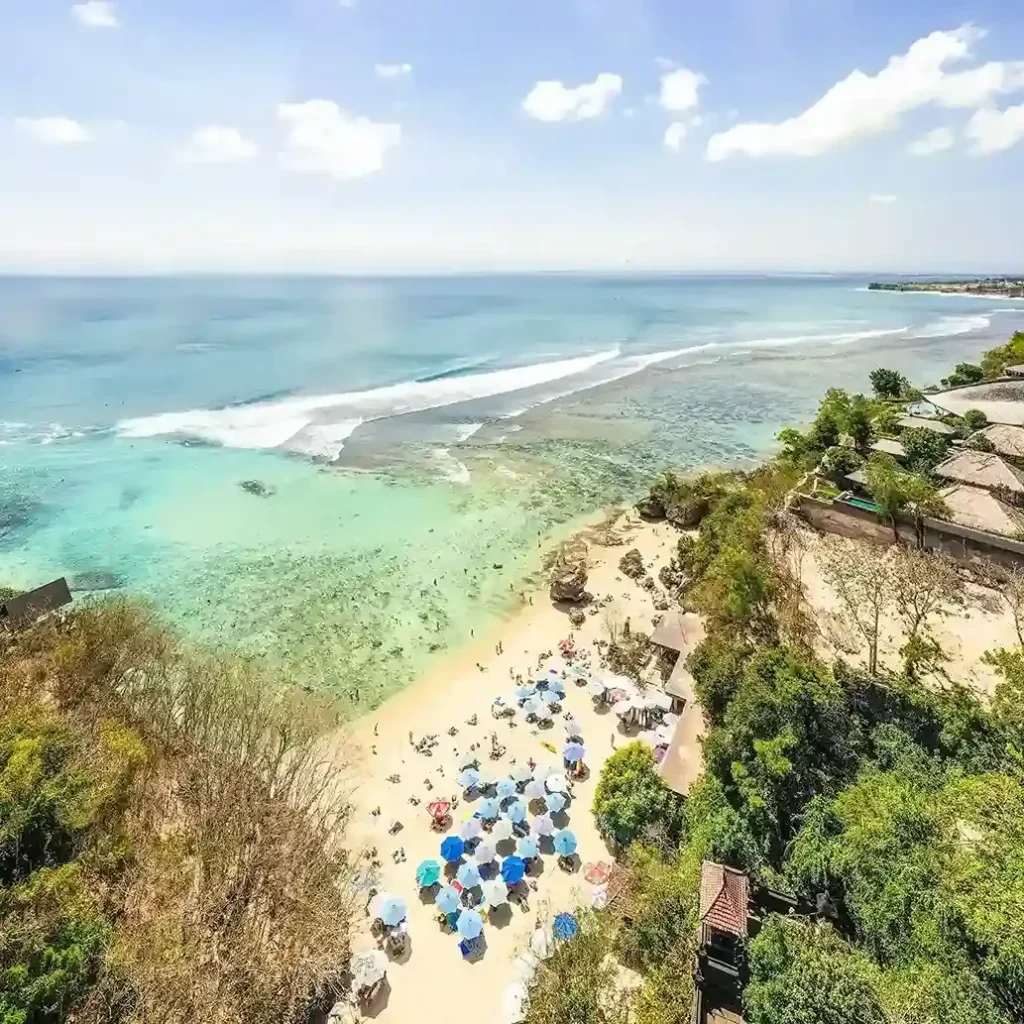
- You will experience near-perfect weather with lower humidity and average temperatures around 27°C.
- Tourist density is significantly lower, allowing for easier navigation and better pricing on long-term rentals.
- The island’s natural environment is at its most vibrant, following the wet season’s end.
The 10 AM sun warms the polished concrete of the cafe floor in Pererenan. The air, thick with the scent of frangipani and robusta coffee, carries the distant, rhythmic hum of a scooter navigating a laneway. A gentle breeze, a welcome courier from the coast just 800 meters away, rustles the banana palms. This is the daily sensory immersion of life in Bali. But choosing to live here, to truly build a life beyond a two-week holiday, requires a more calculated approach than simply booking a flight. The question I hear most often from discerning individuals considering the move isn’t about where to live, but when to begin. Answering “what is the best time for expat living in Bali?” is less about meteorology and more about curating the perfect entry point into this complex, rewarding island culture. It’s about timing your arrival to align with your personal and professional ambitions, ensuring your transition is as seamless as the silk on a ceremonial sarong.
Beyond the Postcard: Deconstructing Bali’s Two Seasons
Any guidebook will tell you Bali has two seasons: wet and dry. This is a gross oversimplification for anyone planning more than a brief visit. For the resident, these are two distinct modes of living. The dry season, typically running from April through October, is defined by the southeast trade winds. This is the Bali of brochures: endless blue skies, lower humidity hovering around 75%, and an average of just 6 rainy days per month. It’s the prime time for the island’s famed west coast surf breaks, with offshore winds grooming the waves at Uluwatu, Bingin, and Canggu into perfect form. My friend, a property developer in Seminyak, notes that this is when outdoor living spaces—the pools, the loggias, the rooftop bars—truly become the focal point of a home. However, the tail end of the dry season, especially September and October, can feel arid and dusty, particularly inland around Ubud. The rice paddies, while still beautiful, lose some of their electric green luster before the rains return. The average daily temperature remains remarkably consistent year-round, at a pleasant 27-28°C, but the feel of that temperature is dictated entirely by the humidity and sun exposure.
Conversely, the wet or “green” season, from November to March, is governed by the northwest monsoon. This doesn’t mean perpetual rain. A typical day involves a bright, humid morning followed by an intense, tropical downpour for two to three hours in the afternoon, which beautifully clears the air for the evening. December and January are the wettest months, often receiving over 300 millimeters of rainfall. For an expat, this season has its own strategic advantages. The island is reborn in a thousand shades of green, the waterfalls are at their most powerful, and the tourist crowds thin dramatically. It’s a time for introspection, for creative work, and for experiencing a more authentic, localized Bali. The wind shift also makes the east coast beaches in Sanur and Nusa Dua the preferred spots for calm waters and water sports. Understanding this fundamental duality is the first step in deciding on the best time for expat living in Bali.
The Expat Sweet Spot: Why April-June and September Reign Supreme
While the dry season is broadly appealing, the true insider knows the “shoulder months” are the gold standard for beginning a life here. I consistently advise clients and friends to target April through June, or the month of September. This is the period that offers the most exquisite balance of climate, cost, and calm. In April and May, the island is strikingly verdant, shaking off the last of the rains. The tourist influx from Europe and Australia, which peaks in July and August, has yet to arrive. This translates into tangible benefits. According to a contact who manages a portfolio of over 50 long-term rental villas, prices in these months can be 15-20% lower than in peak season. You have more negotiating power and a better selection of properties before the holiday market heats up. This is also the ideal time to handle the logistics of your move—setting up bank accounts, navigating bureaucracy, and furnishing a home—without the friction of peak-season crowds.
September offers a similar, if slightly different, appeal. The island collectively exhales after the fever pitch of August. The weather remains impeccable, but a sense of normalcy returns. It’s a fantastic month for networking, as other long-term residents and business owners are more accessible. Cultural life is also rich during these periods. The Ubud Food Festival, a world-class culinary event, is typically held in April or May, while the celebrated Ubud Writers & Readers Festival often takes place in October, just at the end of this sweet spot. Planning your finances around these quieter months is a savvy move; you can establish your lifestyle and understand the real costs of living in Bali without the distortion of peak-season pricing. This strategic timing allows you to build a solid foundation, ensuring your new life starts on the most stable and enjoyable footing possible.
Understanding the Peak: The Realities of July and August
July and August represent Bali at its most commercially potent and socially effervescent. For the expat just arriving, it can be a trial by fire. The population of the southern tourist corridor, from Kuta to Canggu, effectively doubles. Traffic on key arteries like Jl. Raya Seminyak or Jl. Pantai Batu Bolong can become almost completely static, turning a 15-minute drive into a 90-minute ordeal. This is not the time to be learning the art of the scooter. The demand for everything, from a table at a popular restaurant to a quality long-term villa, is at its absolute zenith. Villa rental prices can surge by as much as 50% compared to the low season. Jean-Luc, a French restaurateur in Berawa, tells me, “In August, we are at capacity from open to close. It is fantastic for business, but it is not the Bali I live in for the other ten months of the year.”
However, for some, this period holds a unique appeal. If your work is in hospitality, events, or high-end retail, arriving in peak season means diving directly into the most active market. The networking opportunities are immense, as the island is filled with international visitors and seasonal residents. The social scene is ; every beach club hosts international DJs, and the energy is electric. It’s a period of maximalist energy. According to official statistics from Indonesia’s Ministry of Tourism and Creative Economy, these two months account for a substantial portion of the island’s annual visitors. If you thrive on high energy and your business depends on tourist traffic, this could be your ideal launch window. For most, however, it’s a period best experienced once you’re already settled, not while you’re trying to find your footing.
The Green Season: Finding Opportunity from November to March
Dismissing the wet season (November-March) is a rookie mistake. For the seasoned Bali hand, this is the “green season,” a time of renewal and opportunity. The afternoon deluges, while intense, are predictable. They wash the dust from the air and nourish the island’s spectacular flora, including the terraced rice paddies of the UNESCO-recognized Subak irrigation system, which are never more vibrant. From a practical standpoint, this is the most advantageous time to secure a long-term lease. With demand at its lowest, you can often find exceptional properties at a fraction of their peak-season price and lock in that rate for a year or more. This is the time to find that perfect villa with the rice-field view that would be snapped up in a day in June.
The pace of life slows. It’s a period that encourages focus and creativity, which is why many writers, artists, and digital nomads find it to be the most productive time of the year. The cultural immersion is also deeper. The most important Balinese Hindu holidays, Galungan and Kuningan, frequently fall within this period. Witnessing the entire island decorated with magnificent penjor—towering, decorated bamboo poles—is an experience that connects you to the island’s spiritual core in a way no beach club can. It’s a time to explore the island’s interior, to spend long mornings in Ubud cafes, and to build genuine connections with the local community. For a holistic perspective on integrating into the island’s unique culture, our comprehensive guide to Bali expat living offers invaluable insights. The green season proves that the best time for expat living in Bali can be a matter of perspective and priority.
A Calendar of Culture: Timing Your Move with Island Rhythms
A truly savvy approach to timing your Bali relocation goes beyond weather patterns and considers the island’s unique cultural calendar. Arriving at the wrong moment can lead to unexpected logistical hurdles. The most significant of these is Nyepi, the Balinese Day of Silence, which typically occurs in March. For 24 hours, the entire island comes to a complete halt. The airport (DPS) closes—a rarity for an international hub—no one is allowed on the streets, and all activity ceases. It is a profound and beautiful cultural experience, but an impractical day to land with suitcases in hand. Arriving a week prior, however, allows you to witness the fascinating Ogoh-ogoh parades, where giant demonic effigies are paraded through the streets before being burned to purify the island for the new year.
Conversely, timing your arrival to coincide with major festivals can be a spectacular introduction to your new home. The Galungan and Kuningan celebrations are a ten-day-long festival where families travel to their home villages and the island is alive with ceremonies. The Bali Arts Festival, a month-long celebration of local dance, music, and crafts, runs from June to July in Denpasar. For the epicurean, the Ubud Food Festival in late April or early May is a must. These events offer immediate entry points into the cultural fabric of the island. Planning your Bali expat living budget should account for these unique opportunities, whether it’s for travel to different parts of the island for ceremonies or simply to fully partake in the festivities. Aligning your arrival with this rhythm transforms a simple move into a rich, immersive cultural debut.
Quick FAQ: Your Bali Timing Questions, Answered
When is the absolute cheapest time to move to Bali?
The most economical time to arrive and secure long-term housing is from mid-January through February. This period is squarely between the New Year’s holiday rush and the beginning of the dry season, and it’s the peak of the wet season. Landlords are most flexible, and you’ll have the widest choice of available properties at the best annual rates.
I’m a surfer. Does the “best time” change for me?
Absolutely. Your ideal timing is dictated by the swell and wind. For the world-class left-hand breaks of the Bukit Peninsula (Uluwatu, Padang Padang, Impossibles), the dry season from April to October is non-negotiable. The trade winds are perfectly offshore. During the wet season, from November to March, the winds shift, and the east coast lights up. Pro-level waves can be found at Keramas, and gentler surf is available in Sanur and Nusa Dua.
How do visa processing times affect my move?
This is a critical, non-negotiable factor. Depending on the visa type you’re pursuing (e.g., B211A tourism/business visa or a more permanent KITAS), processing through an agent can take anywhere from 10 business days to over two months. You must initiate this process well in advance of your intended travel date. Avoid starting the process in mid-December, as Indonesian public holidays can create significant delays. The best time for expat living in Bali is always preceded by well-timed paperwork.
Is there a bad time to start a business in Bali?
Logistically, launching a business right before Nyepi (March) is challenging due to the island-wide shutdown. Similarly, the peak holiday month of August can be slow for administrative tasks as many people are on vacation. The shoulder seasons—April-June and September-October—are generally the most efficient for understanding the necessary bureaucracy, meeting with potential partners, and laying the groundwork for your venture before the major holiday seasons hit.
Ultimately, the “best time” is a personal calculation, weighing the perfect 28-degree day against the richness of a quiet, rain-soaked afternoon in the rice fields. But for a seamless transition into a sustainable and rewarding life, the strategic window of the shoulder season offers the most potent combination of idyllic weather, financial advantage, and cultural accessibility. It’s the insider’s choice. To begin curating your own journey and for a comprehensive look at building your new life on the Island of the Gods, explore our full suite of resources on bali expat living. At Bali Expat Living, we provide the curated intelligence you need to make the move not just a dream, but a beautifully executed reality.