Luxury expat life in Bali during the rainy season guide.
- Secure luxury villas with significant off-season discounts.
- Focus on indoor wellness, culinary, and creative pursuits.
- Enjoy a more intimate and connected local expat social scene.
The first drops are fat and slow, hitting the broad banana leaves outside my window with a percussive thud. A cool front pushes through the open-air joglo, carrying the scent of petrichor—that inimitable aroma of rain on dry earth—and damp frangipani blossoms. From my vantage point on the Sayan Ridge, the entire Ayung valley is surrendering to a silver mist. The chattering of macaques has ceased, replaced by the rhythmic drumming of a tropical downpour on the villa’s alang-alang roof. This isn’t an inconvenience; it’s the island exhaling. For those of us who have chosen to make our homes here, this is the season of deep work, profound connection, and luxury. The tourist tide recedes, and the true rhythm of the island emerges. Mastering the expat life in Bali during rainy season isn’t about survival; it’s about an upgrade in perspective and experience.
The ‘Green Season’ Misnomer: Reframing Your Perspective
Let’s first dispense with the term “rainy season.” It’s a marketing-averse phrase that conjures images of dreary, month-long deluges. Any seasoned resident will correct you, preferring the far more accurate moniker: the “green season.” This period, typically spanning from late October to early April, is characterized by intense, yet often brief, tropical showers. My friend Jean-Pierre, a Belgian architect who has lived in a stunning bamboo compound near Ubud for over 20 years, calls it “the season of clarity.” He argues that the rain washes the air clean, saturates the landscape in impossible shades of green, and forces a welcome slowdown. The data supports this pattern; while January can see upwards of 350 millimeters of rainfall, it rarely rains all day. The most common scenario is a powerful downpour for an hour or two in the afternoon, leaving the mornings bright and the evenings cool and refreshed. It’s this life-giving water that sustains the island’s iconic rice terraces, part of a complex irrigation system known as Subak, a UNESCO World Heritage site. The vibrant green you see on postcards? It’s paid for by these dramatic, life-affirming storms.
Your Sanctuary: The Art of the Rainy Season Villa
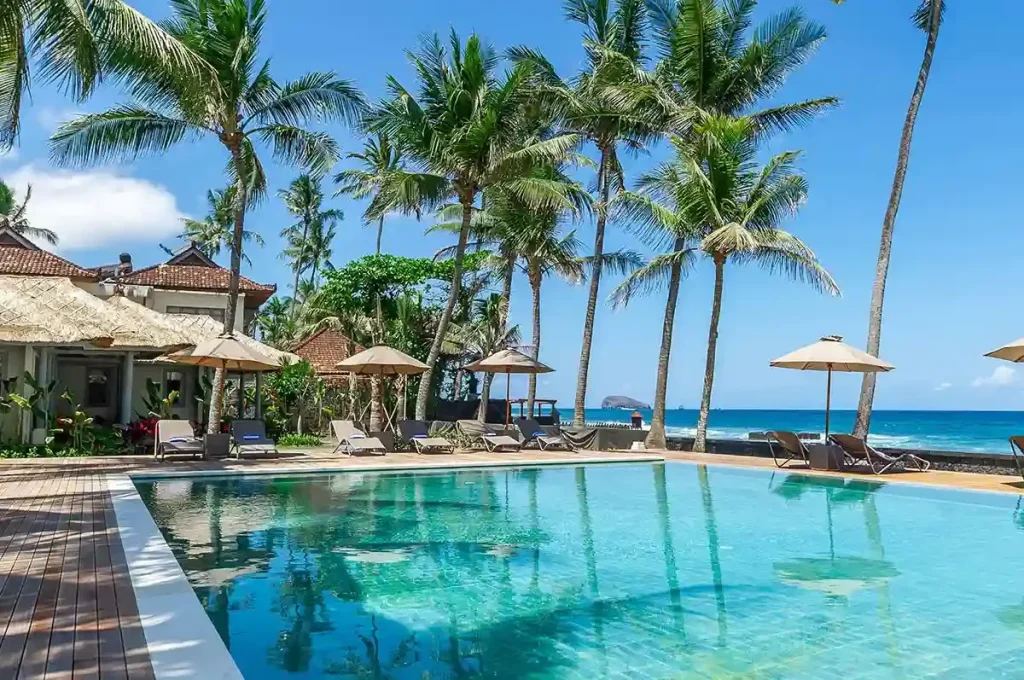
During the green season, your choice of residence transforms from a simple base of operations into an essential sanctuary. This is where the luxury component of expat life in Bali during rainy season truly comes to the fore. The frantic, in-and-out energy of the high season is replaced by a desire to dwell. We look for villas with expansive covered loggias, media rooms for private film screenings, and professional-grade kitchens for intimate dinner parties. An indoor-outdoor bathroom with a deep stone tub overlooking a rain-drenched jungle ravine is not an indulgence; it’s a necessity. This is also the time for incredible value. I’ve seen five-bedroom estates in Canggu, complete with a full staff and 25-meter pool, drop their rates by 30-40% from November through February. A property that commands $1,500 a night in July might be secured for $900. This significant saving allows for longer-term rentals, a key factor when you consider your overall budget for life on the island. My advice is to work with a reputable agent and prioritize properties with excellent drainage, reliable high-speed internet (a non-negotiable for remote work), and a generator—power cuts can be more frequent after a storm.
The Connoisseur’s Calendar: Exclusive Wet Season Pursuits
With the beaches less of a central focus, the sophisticated expat turns inward. The green season is the prime time for Bali’s world-class wellness and creative scenes. I make it a point to book a series of treatments at a place like The Sacred River Spa at Four Seasons Sayan, where the sound of the swollen Ayung River below adds a powerful acoustic element to a traditional Balinese massage. Yoga and meditation retreats in the island’s interior become more profound, the practice deepened by the cleansing energy of the rain. It’s also the perfect opportunity to engage in creative pursuits. A half-day silver-making workshop in the village of Mas, which might cost around 500,000 IDR, feels far more focused without the high-season bustle. The culinary scene also shifts. Securing a coveted reservation at a world-renowned restaurant like Locavore or Room4Dessert in Ubud is remarkably easier. I often use these months to take private cooking classes, focusing on the seasonal ingredients—like rambutan and mangosteen—that flourish during this time. The entire island feels more accessible, more authentic, and ready to share its secrets with those patient enough to listen.
Understanding the Island: Logistics and Luxuries
Practicality is the bedrock of luxury. During the wet season, this means making intelligent adjustments to how you navigate the island. Firstly, the scooter, the ubiquitous mode of transport for many, becomes a liability. Roads can become slick, and a sudden downpour can leave you dangerously exposed. This is the season to have a private driver on call. For a cost of approximately 700,000 to 900,000 IDR for a full 8-hour day, you gain a climate-controlled, safe, and stress-free way to move between appointments, dinners, and social calls. It’s an essential part of the Bali expat living experience from November to March. Your wardrobe also requires a strategic shift. Forget flimsy ponchos; invest in a lightweight, breathable rain shell from a technical brand. High-quality leather goods are best stored away to prevent mildew, and a powerful dehumidifier for your wardrobe and living spaces is a wise investment of a few million IDR. Health-wise, the mosquito population increases with the standing water, so diligent application of a good repellent and nightly mosquito nets are prudent measures. These are not hardships, but rather the simple, elegant adaptations required to live in harmony with a tropical climate.
The Social Scene: From Crowded Beach Clubs to Intimate Gatherings
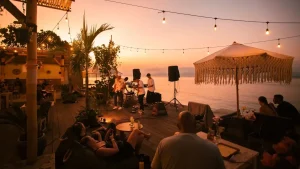
The social rhythm of the island undergoes a beautiful transformation during the green season. The sprawling, high-energy beach clubs of Seminyak and Canggu, while still enjoyable on a sunny morning, lose their magnetic pull. The scene moves indoors, becoming more intimate and curated. The dominant social currency shifts from large-scale networking events to private villa dinners, game nights, and long, lingering conversations at cozy cocktail bars like The Shady Fox or 40 Thieves. Amelia, a gallerist I know who moved from London five years ago, puts it perfectly: “The dry season is for being seen. The wet season is for connecting.” With the transient tourist population down by as much as 40% in January, the expat community feels more cohesive. You see the same faces at your local coffee shop, your yoga studio, and the organic market. Friendships deepen, collaborations are born, and a genuine sense of community flourishes. This quieter, more authentic social landscape is, for many of us, one of the greatest draws of the expat life in Bali during rainy season.
Quick FAQ on Expat Life in Bali During Rainy Season
Is the rainy season really that disruptive to daily life?
Not at all, if you adapt. The rain is typically concentrated in short, predictable bursts, usually in the afternoon. Mornings are often sunny and beautiful. With a car and driver, and a villa designed for the climate, it’s a period of immense comfort and productivity. It’s a key part of the island’s identity, as highlighted by Indonesia’s official tourism board, which celebrates its year-round appeal.
What are the most significant financial benefits?
The primary savings are in accommodation, with luxury villa rentals often seeing discounts of 20-40%. International flights to Denpasar (DPS) are also considerably cheaper outside of the Christmas and New Year peak. This financial breathing room is a major advantage when you plan your Bali expat living finances.
Can you still go to the beach and surf?
Absolutely. The mornings are often the best time for beach activities. However, after heavy rains, some debris can wash ashore, and ocean currents can be stronger. Surf conditions can be excellent at certain breaks that favor the seasonal wind patterns, but it’s wise to consult with local surf guides.
Are there any specific safety concerns to be aware of?
The main safety consideration is transportation; avoid riding scooters in heavy rain. In very rural, steep areas, there is a minor risk of small landslides, but this is extremely rare in the main expat enclaves of Canggu, Seminyak, Ubud, and the Bukit Peninsula. Standard health precautions regarding mosquitos are also important.
To truly understand Bali, you must experience it in its most verdant and reflective state. The green season is a gift—a time to shed the superficial and connect with the island’s powerful natural cycles. It offers a life of quiet sophistication, deep comfort, and authentic community that the high-season visitor rarely glimpses. This is the Bali that we, the long-term residents, cherish. Our mission at bali expat living is to provide the insider knowledge you need to not just visit, but to truly belong. To master this lifestyle and plan your own chapter on the Island of the Gods, explore our comprehensive resources on bali expat living.