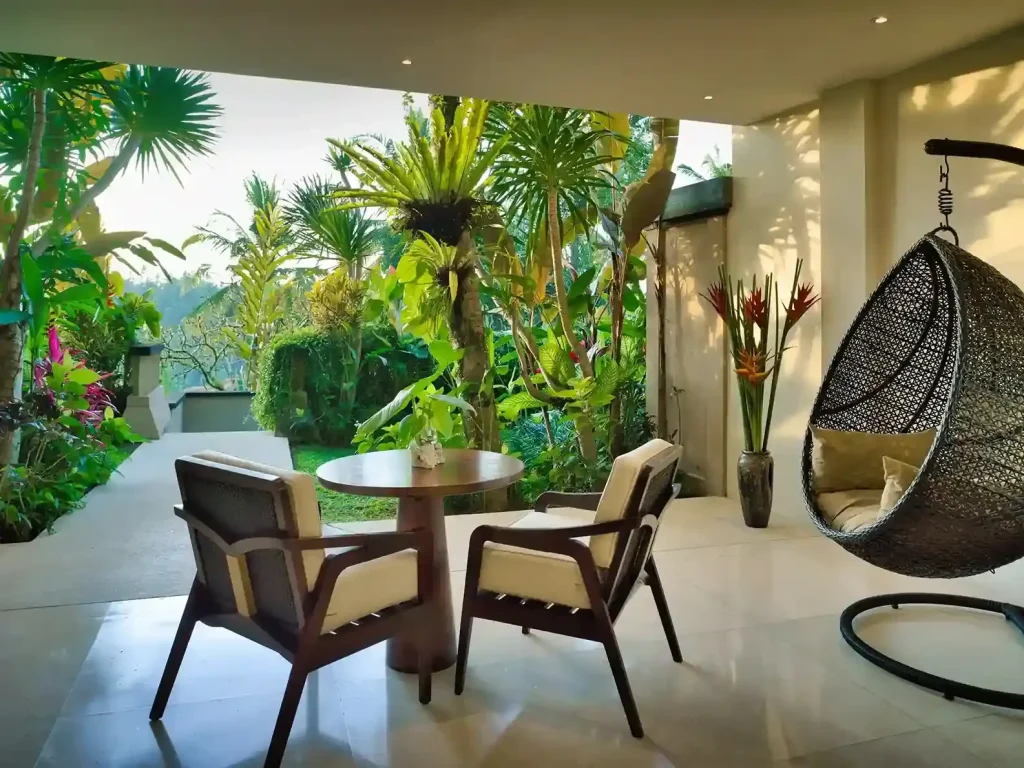
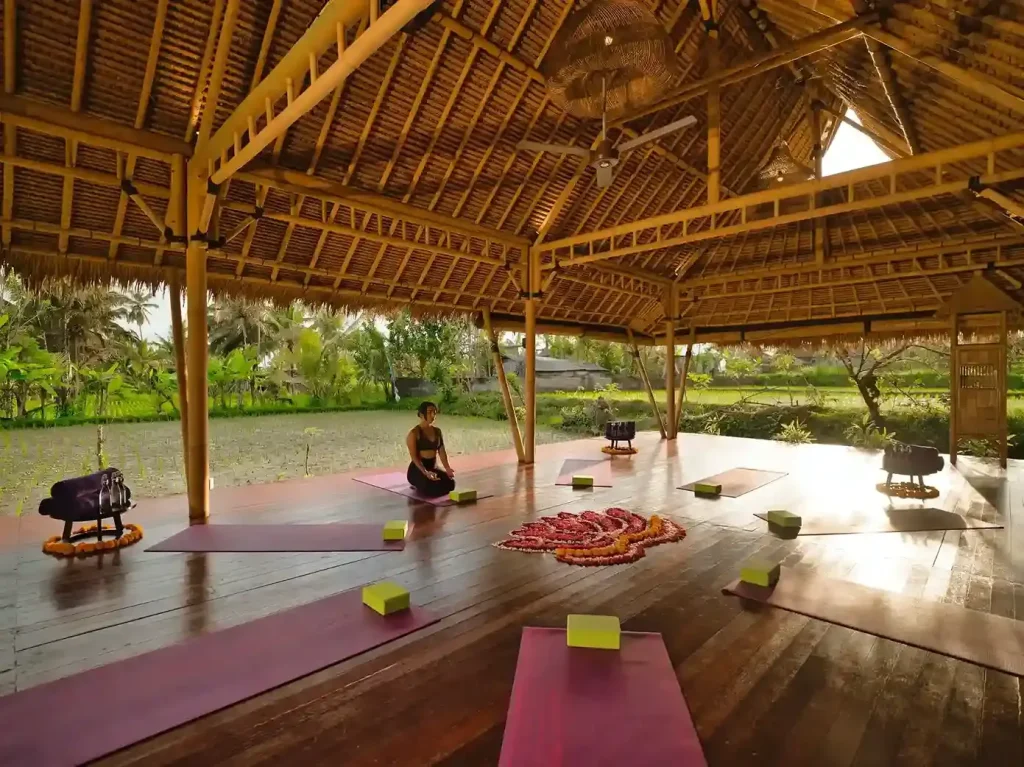
The equatorial sun casts long shadows over terraced rice paddies and volcanic peaks. The air carries the scent of frangipani and clove, a constant reminder of the island’s tropical reality. From the western shores bordering Java to the eastern expanse leading to Lombok, Bali presents a complex yet inviting landscape for those seeking a life beyond their home country. The island’s official mid-2024 population estimate stands at 4,461,260 residents, a significant increase from the 4,317,404 recorded during the 2020 census. Amidst this local population, the Indonesian Ministry of Tourism estimated 109,801 foreigners resided in Bali in 2021, a demographic that continues to evolve.
Understanding Bali’s Expat Demographics and Geographic Context
Bali, situated between Java to the west and Lombok to the east within the Lesser Sunda Islands, has long attracted international residents. The island’s appeal stems from a blend of cultural richness, a tropical climate, and a comparatively lower cost of living than many Western nations. Prospective expats often consider the diverse regions, from the surf breaks of the south to the spiritual centers in the central highlands. Each area offers a distinct environment for settling. For instance, Canggu, located on the southwest coast, draws a younger demographic of digital nomads and surfers. Its rapid development over the last decade has seen an influx of cafes, co-working spaces, and boutique shops. Ubud, conversely, appeals to those seeking a more traditional and wellness-focused existence, surrounded by rice fields and art galleries. Sanur, on the southeast coast, caters more to families and retirees, known for its calmer beaches and established expat community. The population distribution across these areas directly impacts the availability of international schools, healthcare facilities, and specific types of housing. The island’s total land area is approximately 5,780 square kilometers, meaning population density varies significantly between urban centers and rural areas. This geographic and demographic understanding forms the foundation for any expat considering a move.
Navigating Indonesian Visas and KITAS Permits
Securing the correct legal status is the most critical step for any expat in Bali. Indonesian immigration regulations are specific and require diligent adherence. The B211A visit visa, a common entry point, typically allows an initial 60-day stay. This visa is extendable twice, providing a maximum stay of up to 180 days in total. It is crucial to understand that the B211A is a visit visa and does not permit employment. For long-term residency and work, a KITAS (Kartu Izin Tinggal Terbatas – Limited Stay Permit Card) is necessary. KITAS options include those for remote workers (often facilitated through specific agencies or sponsorship), retirees, investors, or those married to an Indonesian citizen. The retirement visa, for example, requires applicants to be over 55 years old, possess sufficient funds, and not intend to work in Indonesia. The process for obtaining a KITAS is more complex than a visit visa, involving sponsorship from an Indonesian entity or individual, submission of numerous documents, and often multiple visits to immigration offices. Digital nomads, in particular, must navigate the evolving landscape of remote work regulations. While a specific “digital nomad visa” has been discussed, most remote workers currently operate under business visas or sponsored KITAS types, carefully ensuring their activities comply with permit limitations. Staying beyond the validity of any visa or permit incurs significant daily overstay fines and potential deportation. Understanding the nuances of these regulations is paramount for a legal and stress-free expat life in Bali.
Common KITAS Types for Expats
Several KITAS categories serve different expat profiles. The Investor KITAS (KITAS Penanam Modal) is for individuals investing in an Indonesian company, requiring a minimum investment threshold. The Work KITAS (KITAS Kerja) is for foreign nationals employed by an Indonesian entity, necessitating a sponsor company and a submitted RPTKA (Rencana Penggunaan Tenaga Kerja Asing – Foreign Worker Utilization Plan). The Spouse KITAS (KITAS Perkawinan) is available to foreigners married to Indonesian citizens, offering a path to long-term residency and, eventually, permanent residency. The Retirement KITAS, as mentioned, is designed for individuals aged 55 and above who can demonstrate financial independence. Each KITAS type has specific requirements, processing times, and associated costs, often ranging from hundreds to thousands of US dollars for application and agency fees.

Cost of Living: A Realistic Assessment for Bali Expats
The cost of living in Bali is a primary consideration for prospective expats, directly influencing lifestyle choices and neighborhood selection. A comfortable expat lifestyle in Bali commonly costs around USD 1,500 to 2,500 per month. This range depends significantly on housing choices, which represent the largest variable expense. A one-bedroom apartment or small villa in a popular expat area like Canggu or Ubud can range from USD 500 to 1,500 per month, depending on location, amenities, and lease duration. Longer-term leases, typically 1-5 years, often offer better per-month rates. Food expenses can vary widely; local Indonesian meals cost just a few dollars, while international cuisine in expat-focused restaurants can rival Western prices. Groceries from international supermarkets are more expensive than local markets. Transportation primarily involves motorbikes (rentals around USD 50-100 per month) or ride-hailing apps like Gojek and Grab. Utilities, including electricity, internet, and water, typically add USD 50-150 per month. Healthcare, especially private international clinics or hospitals, can be a significant cost if not covered by comprehensive international insurance. Other expenses include entertainment, leisure activities, and visa extension fees, which accumulate over time. The perception of Bali as universally “cheap” is often inaccurate for those seeking a Western standard of living and consumer goods. Careful budgeting and an understanding of local pricing structures are essential for financial stability on the island.
Healthcare and International Insurance for Bali Expats
Access to quality healthcare is a critical concern for expats. Bali offers a mix of public and private healthcare facilities. Public hospitals, while available, often have language barriers and may not meet the standards expected by many international residents. Private clinics and hospitals, particularly in Denpasar, Kuta, and Seminyak, provide a higher standard of care, with English-speaking staff and more modern equipment. BIMC Hospital in Kuta and Siloam Hospital in Denpasar are two prominent private options. However, these facilities can be expensive, making international health insurance indispensable. A comprehensive international health insurance policy ensures access to private care, covers emergency evacuations if necessary, and provides peace of mind for both routine medical needs and unexpected health crises. Standard travel insurance is generally insufficient for long-term expat living. Policies should cover inpatient and outpatient care, specialist consultations, and prescription medications. Dental and optical care are also important considerations. Many expats combine a robust international policy with local general practitioner visits for minor ailments. Understanding the referral system, emergency protocols, and the scope of local medical services before an urgent need arises is a proactive measure every expat should undertake. The availability of specific medications and specialist treatments should also be researched, particularly for individuals with pre-existing conditions.
Popular Expat Neighborhoods: Canggu, Ubud, Sanur, and Uluwatu
Bali’s expat landscape is diverse, with distinct communities forming in various regions. Canggu, on the southwest coast, has become a hub for digital nomads, surfers, and younger expats. It offers a vibrant social scene with numerous cafes, co-working spaces, and fitness studios. The area’s rapid development means a constant influx of new businesses and residents. Housing options range from modern villas to guesthouses. Ubud, set in the central highlands, appeals to those seeking a quieter, more culturally immersive experience. It is known for its yoga studios, traditional arts, and proximity to rice paddies and spiritual retreats. The community here is often more focused on wellness, art, and nature. Sanur, on the southeast coast, provides a more relaxed atmosphere, popular with families and retirees. Its calm beaches, established infrastructure, and absence of significant nightlife contribute to its appeal. Sanur offers a good selection of international schools and healthcare facilities, making it practical for long-term family living. Uluwatu, on the southern Bukit Peninsula, is primarily known for its world-class surfing breaks and dramatic cliffside views. It attracts surfers and those seeking a more secluded, luxury lifestyle. Housing here often consists of high-end villas with ocean views. Each neighborhood offers a unique blend of amenities, community dynamics, and living costs, making the choice dependent on individual priorities and lifestyle preferences.
Housing and Villa Rental: Understanding the Bali Property Market
Securing suitable housing is often an expat’s first major logistical challenge. The Bali property market operates differently from many Western countries, primarily through long-term leases (hak sewa) rather than outright freehold purchases for foreigners. Villas and apartments are the most common housing types. Rental periods typically range from monthly to annual, with significant discounts for longer commitments. Many expats opt for leases of two to five years, paying the full amount upfront. Online platforms, local real estate agents, and expat Facebook groups are primary channels for finding properties. Due diligence is crucial; always inspect properties thoroughly, clarify what is included (e.g., electricity, internet, pool maintenance, staff), and review contracts with legal assistance if necessary. Rental prices vary dramatically based on location, size, amenities, and age of the property. A modern, two-bedroom villa with a private pool in Canggu might command USD 1,500-3,000 per month, while a more modest apartment in Sanur could be USD 500-1,000. Furnished properties are common, reducing initial setup costs. Be aware of hidden fees, such as agent commissions or security deposits. It is advisable to engage with reputable agents who understand expat needs and local regulations. Understanding the nuances of property ownership and leasing for foreigners is vital to avoid potential legal complications later on.
Banking and Financial Realities for Bali Expats
Managing finances in Bali requires understanding both local banking practices and international money transfers. Opening a local bank account in Indonesia, such as with BCA, Mandiri, or BNI, is feasible for expats with a KITAS. These accounts facilitate local transactions, bill payments, and ATM access. However, for those on a B211A visa, opening a local account is generally not possible, necessitating reliance on international cards and transfer services. International transfers often involve services like Wise (formerly TransferWise) or traditional bank wire transfers, which can incur fees and exchange rate fluctuations. The local currency is the Indonesian Rupiah (IDR). Daily cash transactions are common, particularly in smaller establishments and local markets. Credit card acceptance is widespread in larger shops, restaurants, and hotels. It is important to monitor exchange rates and understand any fees associated with international card usage. Maintaining a primary bank account in one’s home country for larger savings and investments is also a common practice. Expats should research tax obligations in both Indonesia and their home country, as dual residency can create complex financial reporting requirements. Financial planning for long-term residency includes budgeting for visa renewals, potential emergency travel, and unexpected expenses.
Bali Expat Living provides an independent editorial guide to the realities of settling on the island. For comprehensive resources on neighbourhoods, visas, cost of living, and more, explore the complete guide at Bali Expat Living.