
Travel Journal
Living in Bali as a Foreigner: Why It Remains an Expat Favourite in 2027
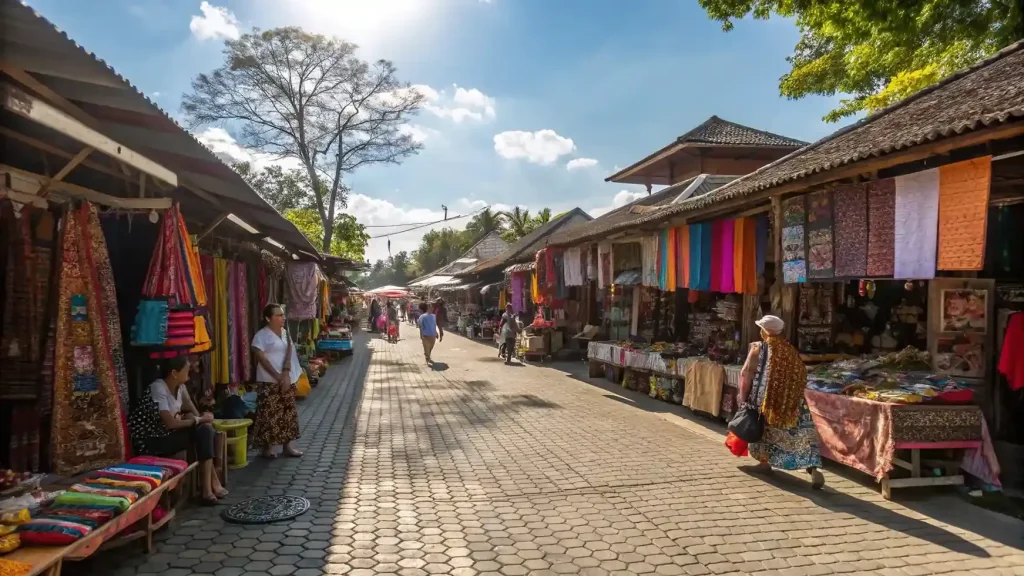
Living in Bali as a foreigner offers an enticing mix of culture, nature, and a burgeoning expat community, making it a top destination for expatriates in 2027. With evolving needs for family-centric housing and secure gated living, Bali continues to attract expats seeking a balanced and enriched lifestyle.
Living in Bali as a Foreigner
The allure of living in Bali as a foreigner persists due to its unique blend of cultural richness, affordability, and quality of life. The island has adapted to emerging trends, ensuring that expatriates find a welcoming home away from home. ‘re a digital nomad, a family, or a retiree, Bali’s lifestyle offers diverse opportunities and conveniences. The cost of living remains attractive, with monthly expenses for a single person ranging from 10 to 15 million IDR, depending on lifestyle choices. This includes rent, groceries, and leisure activities. Bali’s cultural landscape is vibrant, with traditional ceremonies and festivals such as Nyepi, Galungan, and Kuningan offering immersive experiences for newcomers.
Bali Expat Living Tips
For those considering a move, understanding the nuances of expat life in Bali is crucial. Here are some tips to make the transition smoother:
- Research neighbourhoods thoroughly: Areas like Sanur and Ubud offer family-friendly environments with good amenities. Sanur is known for its laid-back atmosphere and beachfront living, while Ubud offers a more serene and artistic environment. Each area has its own unique appeal, so visiting beforehand can help in making an informed decision.
- Consider long-term rental contracts for stability and potential cost savings. Long-term rentals can often be negotiated to include maintenance and utility costs, providing peace of mind and financial predictability. Contracts typically range from one to three years, and engaging a local agent can facilitate smoother negotiations.
- Leverage local services to navigate visa requirements, such as the Bali visa services for the latest updates. Visa regulations can be complex, so using a reputable service ensures compliance with legal requirements, avoiding potential pitfalls and complications.
Expat Life in Bali: Pros and Cons
Expat life in Bali comes with its set of pros and cons. On the positive side, the cost of living is relatively low, with affordable housing options in various suburbs. For example, a two-bedroom villa in Ubud might cost around 8 million IDR per month, while a similar property in Seminyak could be priced higher due to its popularity. The cultural experience and natural beauty are significant draws, with rice terraces, beaches, and temples offering endless exploration opportunities. However, challenges such as traffic congestion in areas like Seminyak and varying internet quality in more remote locales can be downsides. Public transportation is limited, so many expats opt for scooters or private drivers to navigate the island efficiently.
Bali Expat Housing Market Trends 2027
The housing market in Bali continues to evolve to meet expat demands. Key trends include a focus on family-centric housing, gated communities with 24/7 security, and proximity to international schools. The rental prices in hotspots like Canggu, Berawa, and Pererenan have surged by 15% to 20% since 2024, reflecting increased demand. Properties in these areas often feature modern amenities, private pools, and lush gardens, catering to expats seeking comfort and luxury. International schools such as Green School and Bali Island School are within reach, providing quality education options for expatriate families.
| Area | Rental Price Increase (2024-2026) |
|---|---|
| Canggu | 15%-20% |
| Berawa | 15%-20% |
| Pererenan | 15%-20% |
2027 Note
As of 2027, Bali has introduced the digital nomad visa E33G, catering to remote workers seeking long-term stays. This new visa is part of the island’s strategy to attract digital professionals, making it easier for them to live and work in Bali. The visa allows for a stay of up to five years, significantly longer than traditional tourist visas, and is designed to accommodate flexible working arrangements. Applicants must demonstrate proof of income and health insurance, ensuring that they can support themselves independently during their stay.
FAQ
Is Seminyak still a good area for expats in 2027?
Yes, Seminyak remains popular among expats for its vibrant lifestyle, though traffic can be a consideration. It’s ideal for those seeking a blend of modern amenities and cultural experiences. The area boasts a lively nightlife scene, diverse dining options, and boutique shopping. However, it’s advisable to plan travel times carefully to avoid peak traffic hours.
What are the cheapest Bali suburbs for expats with good internet in 2027?
Suburbs like Sanur and parts of Ubud offer affordable housing with reliable internet, catering to budget-conscious expats who work remotely. In Sanur, fibre-optic connections are common, providing stable and fast internet suitable for professional needs. Ubud’s expanding infrastructure also supports reliable connectivity, making it a viable option for remote work.
How does Bali’s cost of living for expats compare in 2027?
In 2027, Bali’s cost of living remains competitive, with affordable options for housing and day-to-day expenses, making it an attractive choice for those seeking a comfortable lifestyle. Monthly budgets can vary greatly, but a frugal lifestyle might cost around 15 million IDR per month, while more luxurious living could reach 30 million IDR or more. Groceries, dining, and entertainment are generally less expensive than in Western countries, contributing to Bali’s appeal as a cost-effective destination.