Travel Journal
The 2027 Digital Nomad: Balancing Work and Life in Bali’s Remote Work Lifestyle
In 2027, Bali has become a hotspot for digital nomads seeking a vibrant remote work lifestyle. With its beautiful landscapes and growing infrastructure, Bali offers a perfect blend of work and leisure for remote workers.
Bali Remote Work Lifestyle in 2027
Bali’s remote work lifestyle has evolved significantly, attracting digital nomads from around the globe. This growth is fueled by the island’s appeal as a place where work and life can balance seamlessly. Digital nomads are drawn to Bali for its affordable living costs, vibrant culture, and a community of like-minded individuals. The island’s infrastructure has improved to support this influx, with an increase in high-speed internet availability and more co-working spaces. As of 2027, there are over 100 co-working spaces spread across the island, from urban centres to more secluded areas, catering to various needs and preferences. The digital nomad community has grown, with an estimated 40,000 remote workers choosing Bali as their base.
2027: Bali Digital Nomad Lifestyle
By 2027, the Bali digital nomad lifestyle is more appealing than ever. The island offers a unique blend of cultural richness and modern amenities, making it an ideal destination for remote workers. Popular areas such as Canggu and Ubud offer co-working spaces and cafes, fostering a collaborative environment. Canggu, in particular, has become a hub for innovation, hosting regular networking events and workshops that attract both local and international entrepreneurs. Ubud, with its artistic heritage and focus on wellness, provides a tranquil setting for those looking to balance work with personal well-being, offering yoga retreats and meditation centres.
Best Neighbourhoods in Bali for Digital Nomads
Choosing the right neighbourhood can greatly enhance the digital nomad experience. In 2027, areas like Canggu, known for its surf-friendly beaches and vibrant community, are top choices. For those seeking a quieter environment, Ubud’s outskirts are perfect, providing a serene setting surrounded by nature and wellness opportunities. Sanur offers a different pace, with its calm beaches and family-friendly atmosphere, making it ideal for those with children. Each of these areas has its unique appeal and caters to different aspects of the digital nomad lifestyle.
- Canggu: A hub for surfers and creatives, known for its dynamic atmosphere. The area boasts over 30 co-working spaces and numerous cafes that understand the needs of remote workers, providing reliable Wi-Fi and comfortable seating.
- Ubud: Ideal for those who prefer tranquillity and a focus on wellness. Ubud offers access to nature with its rice paddies and forests, and is home to over 20 wellness centres and yoga studios.
- Sanur: Offers family-friendly neighbourhoods with low traffic, perfect for expats with children. With its proximity to international schools and recreational activities, it is a favoured choice for families.
2027 Note: Changes in Expat Housing
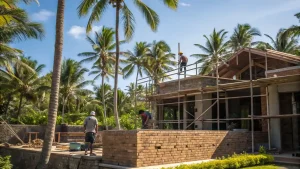
The housing market in Bali has seen a significant shift in 2027. Rental prices have surged by 15% to 20% in popular areas like Canggu, Berawa, and Pererenan, driven by high demand from remote workers. This increase is partly due to limited availability and the premium placed on properties with modern amenities and reliable internet connections. Families looking for long-term rental contracts should consider suburbs with good internet and proximity to international schools, such as Sanur and Jimbaran, where rental costs are relatively stable compared to the more tourist-centric areas.
Explore Bali’s expat housing market for more insights.
FAQ
What are the best expat areas in Ubud for digital nomads in 2027?
In 2027, the best expat areas in Ubud for digital nomads include Penestanan and Sayan, known for their serene environments, ideal for remote work and a peaceful lifestyle. Penestanan offers a blend of traditional Balinese culture with modern conveniences, while Sayan provides stunning views of the Ayung River, making it a picturesque location for those who appreciate nature.
How has the digital nomad visa changed in 2027?
By 2027, the Bali digital nomad visa E33G requirements have been streamlined to accommodate more remote workers, making it easier to live and work in Bali. The process now includes an online application system, reducing processing times to under a month. The visa allows for a stay of up to one year, with the possibility of extension, provided certain criteria are met, such as proof of income and health insurance.
What are the cost trends for living in Bali in 2027?
The cost of living in Bali has seen a steady increase, particularly in popular expat areas. Despite this, Bali remains a cost-effective choice for many digital nomads seeking a comfortable lifestyle. On average, monthly expenses for a single person, excluding rent, range from £600 to £800, depending on lifestyle choices. Rent prices vary significantly, with a one-bedroom apartment in Canggu costing around £450, while similar accommodation in Ubud might be slightly cheaper.
For detailed visa information, visit our Bali visa services page.