
Bali expat luxury villa price guide for long-term rentals.
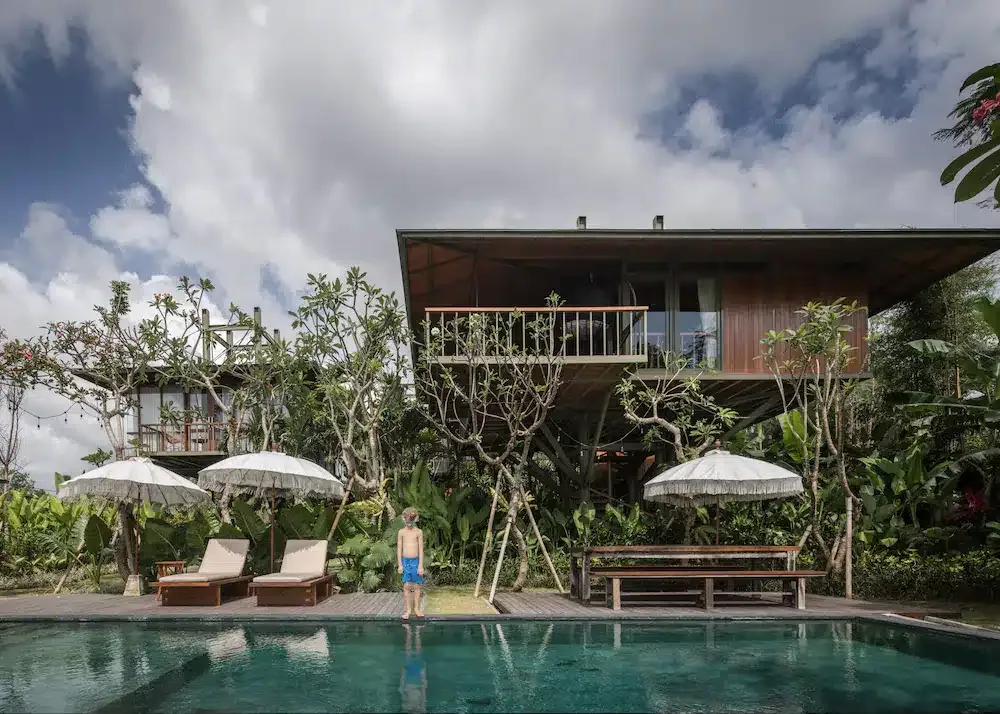
- Canggu/Seminyak: IDR 1 billion – 2.5 billion+ per year for prime locations.
- Uluwatu/Bukit: IDR 800 million – 1.8 billion per year for cliff-front or ocean-view properties.
- Ubud/Sayan: IDR 700 million – 1.5 billion per year for serene jungle or rice paddy views.
The early morning light filters through the floor-to-ceiling glass, catching the steam rising from the infinity pool’s edge. Below, the Sayan ridge unfolds, a mix of green so vibrant it feels alive. The air is thick with the scent of champaca flowers and the distant, percussive sound of a gamelan practice. This is not a holiday snapshot; for a growing number of expatriates, this is the daily reality of long-term luxury living in Bali. But achieving this idyllic existence requires navigating a complex and often opaque property market. As an editor who has charted the evolution of this island for over a decade, I’ve seen firsthand how the definition of luxury—and its associated price tag—has shifted. Understanding the nuances of the bali expat luxury villa price is the first, and most critical, step in transforming a dream into an address.
Deconstructing the “Luxury” Label: Beyond the Infinity Pool
In Bali, the term “luxury” is not a monolith. It’s a fluid concept that stretches far beyond a private pool and a manicured garden. A true luxury villa in 2024 is a statement of architectural intent and integrated service. We are seeing a move away from the traditional, heavy-wood Joglo style—though beautifully restored heritage properties still command a premium—towards a sleek, modern tropicalism. Think polished concrete floors, minimalist interiors by designers like an architect friend of mine, Alexis Dornier, and seamless indoor-outdoor living spaces. These properties often feature amenities that rival five-star resorts: fully equipped private gyms with Technogym machines, climate-controlled wine cellars, dedicated spa rooms, and even private cinemas with 4K projectors. For instance, a four-bedroom villa in the increasingly popular Pererenan area, just north of Canggu, was recently leased for IDR 1.8 billion per year, largely due to its 25-meter lap pool and soundproofed office suite—a direct response to the rise of the high-earning remote executive. The land itself is a primary driver of cost; prime beachfront plots in Canggu can fetch upwards of IDR 3 billion per are (100 square meters), a figure that has risen by nearly 40% in the last three years alone. This foundational cost is inevitably reflected in the final rental price. True luxury also means having a full complement of staff, often including a villa manager, a private chef, multiple housekeepers, a gardener, and 24-hour security, all managed discreetly to ensure total privacy.
Prime Real Estate: A Geographic Price Breakdown of Bali’s Luxury Enclaves
Location is the single most significant factor determining the bali expat luxury villa price. The island’s luxury map is carved into distinct enclaves, each with its own character and price structure. The southern coast remains the epicenter of high-end demand. In Seminyak, particularly in the exclusive pockets of Oberoi and Petitenget, a well-appointed three-bedroom villa within walking distance of La Lucciola can easily command IDR 1.2 billion ($77,000 USD) annually. Move 10 kilometers up the coast to Canggu, and the dynamics shift. Berawa and Batu Bolong are saturated with trendy cafes and beach clubs, driving prices for modern four-to-five-bedroom villas to between IDR 1.5 and 2.5 billion per year. Property consultant Hesti Sutrisno tells me, “Clients are paying a premium not just for the villa, but for the lifestyle network that surrounds it.” Further south, the Bukit Peninsula, encompassing Uluwatu and Bingin, offers a different proposition. Here, the currency is the cliff-front view. A modern, minimalist villa with an unobstructed 180-degree ocean view can range from IDR 900 million to IDR 2 billion, with proximity to exclusive beach clubs like El Kabron or Savaya significantly influencing the rate. In stark contrast, Ubud and its serene surroundings like Sayan offer spiritual and natural luxury. A sprawling, artfully designed villa overlooking the Ayung River gorge might be priced at IDR 1 billion per year—a 25% discount compared to a similarly sized property in Canggu, but with a priceless sense of tranquility. Understanding these regional markets is fundamental when you plan your Bali expat living budget.
The Leasehold Nuance: Understanding Your Long-Term Commitment
For any expatriate considering a long-term stay, it is critical to understand Indonesia’s property laws, which directly impact pricing and security of tenure. Foreigners are, with very few exceptions, prohibited from owning land outright (Freehold or Hak Milik). The dominant structure for long-term expat rentals is the leasehold agreement, or Hak Sewa. This is where the annual rental price can be misleading. Many of the most desirable luxury properties are offered not on an annual basis, but with multi-decade leases. It is not uncommon to see a villa listed with a 25-year leasehold for a single upfront payment of, say, IDR 15 billion (approximately $960,000 USD). While this amortizes to IDR 600 million per year, it requires a substantial capital outlay. According to Indonesia’s official tourism website, these long-term lease agreements are legally robust and provide security for the duration of the term. For those not prepared for such a commitment, annual rentals are the norm. However, owners of top-tier properties often prefer multi-year agreements. Securing a three-year lease, paid upfront, can often yield a 10-15% discount on the advertised annual rate. It is imperative to engage a reputable notary (notaris) to review any leasehold agreement. They will verify the land certificates and ensure the contract is legally binding and protects your interests, a crucial step in the overall process of The Bali Expat Living Guide to Bali Expat Living.
Beyond the Rent: Uncovering the Hidden Costs of Villa Life
The advertised annual rent is merely the headline figure. Maintaining a luxury lifestyle in Bali involves a host of ancillary costs that can significantly inflate your monthly budget. A common mistake newcomers make is underestimating these operational expenses. For a 600-square-meter villa with a large pool and garden, the monthly electricity bill alone can exceed IDR 10 million ($640 USD), especially with heavy air conditioning use. Staff salaries are another major component; while labor costs are lower than in the West, a full team (villa manager, chef, housekeeping, gardener, security) can add IDR 25-40 million per month to your overhead. Then there are the community fees, or iuran banjar, a contribution to the local village council, which typically amounts to a few hundred thousand rupiah per month but is culturally significant. Pool maintenance, including chemicals and servicing, can run IDR 1.5 million monthly. High-speed fiber optic internet, essential for remote work, costs around IDR 1-2 million for a reliable connection. When you aggregate these expenses, the true cost of running a luxury villa can be an additional 20-30% of the base rental cost. Some high-end management companies are now offering all-inclusive packages, bundling these variable costs into a fixed monthly fee for predictability. It’s vital to clarify exactly what is included in your lease agreement and to create a detailed financial plan. Our guide to Bali expat living costs and what to budget provides a comprehensive breakdown of these often-overlooked expenses.
The Art of the Deal: Seasonality, Negotiation, and Securing Your Villa
While the Bali luxury rental market is robust, it is not entirely inflexible. There is room for negotiation, particularly for long-term commitments. The timing of your search can play a role. While less pronounced for annual leases than for short-term holiday rentals, demand peaks during the dry season (June to September) and the year-end holidays. Beginning your search during the shoulder seasons (April-May, October-November) can sometimes reveal more motivated owners. The most powerful negotiating tool is the length of your commitment and the payment structure. As mentioned, offering to pay two or even three years of rent upfront is a compelling proposition for a villa owner, providing them with security and significant cash flow. This can often access discounts of up to 20% off the asking price. For finding a property, the network is everything. While public listing sites exist, the finest villas often change hands discreetly. Aligning with a reputable, high-end property agent is essential. They have access to off-market listings and a deep understanding of fair market value. I often recommend agents who have been operating on the island for at least a decade; their relationships with owners and legal professionals are invaluable. For a truly immersive experience, many find that a well-managed villa is the cornerstone of a successful bali expat living journey.
Quick FAQ: Your Luxury Villa Questions Answered
What is a realistic starting budget for a long-term luxury villa in Bali?
For a true luxury property in a prime location (e.g., a modern three-bedroom in Berawa or a serene villa in Sayan), a realistic starting point for an annual lease is around IDR 700 million (approx. $45,000 USD). Anything significantly below this may involve compromises on location, quality, or amenities.
Are prices typically quoted in Indonesian Rupiah (IDR) or US Dollars (USD)?
While discussions may happen in USD for the convenience of international clients, all legal contracts and official transactions in Indonesia must be conducted in IDR. It is common for high-end rental prices to be pegged to the USD to hedge against currency fluctuations, with the final IDR amount calculated based on the exchange rate at the time of payment.
Is it common to have staff included with a luxury villa rental?
Yes, it is standard for luxury villas to come with at least some staff, typically housekeeping and a gardener/pool attendant. Fully-staffed properties that include a private chef, butler, and security are at the higher end of the market. It is crucial to clarify which staff members are included in the rental price and whose salaries are the tenant’s responsibility.
What defines a “long-term” lease in the Bali market?
A long-term lease, or sewa tahunan, is typically for a minimum of one full year, paid in advance. Leases of two to five years are also common. Anything beyond that, particularly leases of 20 years or more, falls into the category of a multi-decade leasehold, which is a different type of property investment.
Understanding the Bali luxury villa market requires more than just a healthy budget; it demands diligence, local knowledge, and a clear understanding of your own priorities. Whether you seek the social energy of the coast or the profound calm of the island’s interior, the perfect property exists. It is the foundation upon which you can build an extraordinary life here. By understanding the true costs, the legal frameworks, and the regional nuances, you are well-equipped to make an informed decision. To continue planning your journey, explore the comprehensive resources we have curated for the bali expat living community.