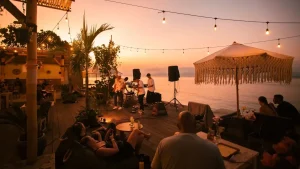
Best luxury villas for long-term expat life in Bali.
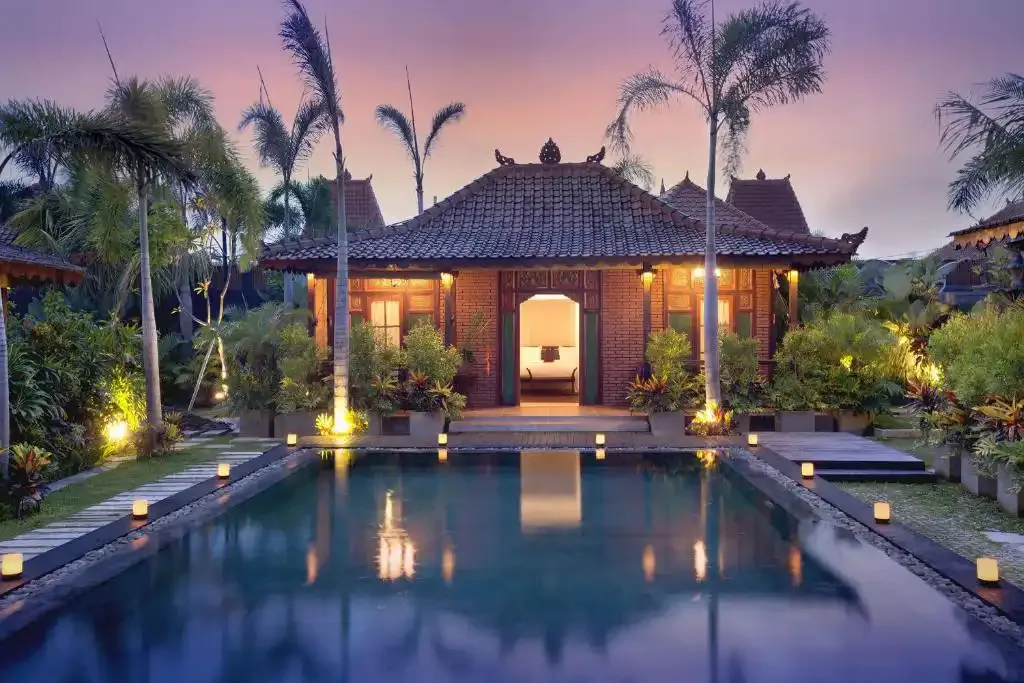
- Prime locations in Seminyak, Canggu, Ubud, and the Bukit Peninsula.
- Professionally managed with staff for housekeeping, garden, and security.
- Leasehold agreements ranging from one to 25+ years are standard.
The first light filters through the floor-to-ceiling glass, catching the steam rising from the infinity pool. The air, thick with the scent of yesterday’s rain and the frangipani blossoms that fell overnight, is punctuated by the distant, rhythmic clinking of a gamelan. This isn’t a holiday. This is Tuesday. This is the reality of a well-chosen life in Bali, a life anchored by a home that is less a temporary shelter and more a personal sanctuary. For the discerning expatriate, the search for the perfect long-term villa is the most critical step in crafting a sustainable and gratifying existence on the Island of the Gods. It’s about curating a foundation for a life, not just a stay, and the options have never been more sophisticated.
The New Paradigm: Beyond the Holiday Rental
The market for Bali villas has matured significantly over the past decade. The paradigm has shifted from rustic, open-air holiday lets to architectural compounds engineered for a permanent, high-functioning lifestyle. The key distinction lies in the infrastructure. For anyone serious about a long-term expat life in bali, consistent high-speed internet is non-negotiable. Most premier villas today are equipped with dedicated fiber optic lines, delivering speeds between 100 and 300 Mbps, a far cry from the unreliable connections of years past. Furthermore, these properties are designed with the nuances of daily life in mind: enclosed, air-conditioned living spaces for comfort, dedicated home offices, soundproofing, and state-of-the-art kitchens. I spoke with Nicolas Ghesquière, a French architect who has designed over 20 villas in Umalas and Canggu, who noted, “The brief from clients has changed. Five years ago, it was all about the ‘wow’ factor for Instagram. Now, it’s about livability. They ask about generator capacity, water filtration systems, and staff quarters. They are building a life, not a backdrop.” This evolution reflects a deeper understanding of what it takes to truly live here. It’s a commitment that requires more than just a beautiful view; it demands functionality and reliability, which is the cornerstone of today’s luxury villa market. Our The Bali Expat Living Guide to Bali Expat Living provides a comprehensive overview of this transition.
Seminyak & Kerobokan: The Epicenter of Established Sophistication
For those who desire proximity to the island’s finest dining, international schools, and high-end boutiques, the golden triangle of Seminyak, Petitenget, and Kerobokan remains unrivaled. This is the Bali of polished concrete floors, sleek European furniture, and impeccable service. The villas here are often part of managed estates, offering a turnkey solution with 24/7 security and on-site management, which is a significant advantage for a long-term resident. A three-bedroom villa on a 500-square-meter plot in this area will typically command an annual lease of $45,000 to $70,000 USD. While you sacrifice the sprawling rice field views of other regions, you gain convenience. Restaurants like Metis and Merah Putih are a five-minute drive, not a 45-minute ordeal. For families, the proximity to schools like the Australian Independent School Bali, just a 20-minute drive away, is a deciding factor. The architectural style leans towards contained luxury—villas are walled for privacy, with a central pool and garden as the focus. These are not sprawling jungle estates; they are chic, urban oases designed for a cosmopolitan life. It’s a specific choice, and for many, it’s the perfect balance of tropical living and urban convenience. When you begin to Plan Your Bali Expat Living, the convenience factor of this area often justifies the premium price tag.
Canggu’s Evolving Luxury: From Surf Shacks to Architectural Marvels
If Seminyak is the established doyenne, Canggu is the audacious ingénue. This sprawling coastal area, stretching from Berawa to Pererenan, has become the global hub for a creative, entrepreneurial class of expatriates. The villa scene here is dynamic and daring. You’ll find a higher concentration of contemporary and even brutalist-inspired architecture, with a heavy emphasis on natural light and seamless indoor-outdoor living. Developers are pushing the envelope, creating properties that are as much art pieces as they are homes. A villa manager I know, Dewa, who oversees a portfolio in Pererenan, mentioned that land prices in his area have surged by over 15% annually for the last three years. This boom has fueled a new wave of luxury construction. The trade-off for this vibrant energy is infrastructure that is still catching up; traffic can be challenging. However, the lifestyle it supports is magnetic, with world-class cafes, co-working spaces like Tropical Nomad, and wellness studios on every corner. Villas here often incorporate modern interpretations of Balinese architecture, blending traditional Joglo rooflines with minimalist interiors and smart home technology. The long-term expat life in Bali for a Canggu resident is about community, creativity, and direct access to the surf culture that started it all.
Ubud & Sayan: A Sanctuary for the Soulful Expat
Moving inland, the energy shifts. The frenetic coastal buzz gives way to a profound sense of tranquility. Ubud, and particularly the Sayan ridge that hangs dramatically over the Ayung River, is the island’s spiritual and cultural heartland. The luxury villas here are designed to commune with nature. They are often built on larger plots, averaging 1,500 square meters or more, and are crafted from organic materials like reclaimed teak, bamboo, and volcanic stone. The defining feature is the view—uninterrupted vistas of jungle ravines, terraced rice paddies, and the sacred Mount Agung in the distance. This landscape is shaped by the ancient Subak irrigation system, a UNESCO World Heritage site that represents the Balinese philosophy of Tri Hita Karana—harmony between humans, nature, and the divine. Living here is an immersive experience. Your neighbors are not just other expats, but local artists and the rhythms of village life. While you are further from the beach, you are at the epicenter of the island’s wellness scene, with institutions like The Yoga Barn and countless holistic healers. The cost structure is different, too; while the lease price might be comparable to coastal areas, the ongoing costs for garden and property maintenance can be higher due to the lush environment. Understanding these nuances is critical, a topic we explore in our guide to Bali Expat Living Costs & What to Budget.
The Bukit Peninsula: Cliffside Grandeur and Ocean Vistas
For those drawn to the raw power of the ocean, the Bukit Peninsula in the south is the final frontier of Bali luxury. Areas like Uluwatu, Bingin, and Padang Padang offer a dramatic, almost Grecian landscape of limestone cliffs plunging into turquoise water. The villas here are architectural feats, engineered to maximize some of the most commanding ocean views in the world. Infinity pools appear to spill directly into the Indian Ocean, and open-plan living areas are designed to capture the sea breeze. The aesthetic is often clean and Mediterranean, with white walls, bougainvillea, and natural stone. The lifestyle is centered around the world-class surf breaks and the sophisticated beach club scene, from Savaya to Ulu Cliffhouse. Located just a 30-minute drive from Ngurah Rai International Airport (DPS), it’s exceptionally convenient for those who travel frequently. The arid climate means a different approach to landscaping and a greater reliance on robust water systems, often involving deep wells or desalination technology in the most exclusive properties. This region offers a quieter, more elemental version of island life, a key part of the modern bali expat living experience for a growing number of residents.
Understanding the Lease: Essential Due Diligence
Securing a villa for your long-term expat life in Bali involves more than just a handshake and a transfer. The legal landscape requires careful navigation. Foreigners cannot own land outright (Hak Milik), so the standard is a long-term leasehold agreement (Hak Sewa). These leases can range from one year to 30 years or more, with significant price reductions for longer commitments. Engaging a reputable English-speaking notary (notaris) is not just recommended; it is essential. They will verify the land certificates, ensure the owner has the legal right to lease the property, and draft a binding agreement that protects your investment. A standard lease agreement should explicitly detail what is included: staff salaries, pool and garden maintenance, banjar (local community) fees, and waste disposal services. A common mistake is to assume these are all-inclusive. According to the official tourism portal, indonesia.travel, clarity in contracts is paramount for a smooth experience. A thorough due diligence process, including a structural survey of the property, will prevent costly surprises and provide the peace of mind needed to truly settle into your new home on the island.
Quick FAQ for Aspiring Bali Expats
What is a realistic annual budget for a luxury villa lease?
Budgets vary significantly by location and size, but a realistic starting point for a well-appointed three-bedroom villa in a prime area like Seminyak or Canggu is between $35,000 and $50,000 USD. For premier properties with ocean views or on large plots in Ubud, expect to pay upwards of $100,000 annually.
Is it better to lease a furnished or unfurnished villa?
For most expatriates on multi-year stays, leasing a fully furnished villa is far more practical. The process of importing furniture is complex and expensive, with import duties and taxes often exceeding 30% of the goods’ value. A furnished lease allows for a seamless, turnkey transition into your new life.
How important is having on-site staff?
For a luxury property, it is nearly essential. The tropical climate requires constant maintenance. Having dedicated staff for housekeeping (pembantu), gardening, and pool maintenance is standard and included in many lease agreements. It simplifies the logistics of managing a large property and is an integral part of the Bali living experience.
What is the ‘banjar fee’ I keep hearing about?
The banjar is the local village council or community organization. A monthly fee, typically between $15 and $35 USD, is paid by all residents (including expats) to cover community costs like ceremonies, security, and waste management. It is a small but important part of integrating respectfully into local Balinese society.
Choosing your villa is the single most important decision you will make in your journey toward a new life in Bali. It is the vessel for your experience, the backdrop to your daily routine, and the sanctuary you return to. The process demands research, patience, and expert guidance. By focusing on location, infrastructure, and legal security, you can secure a home that not only meets but exceeds your expectations for a sophisticated life in the tropics. For a deeper creating your ideal life on the island, explore our comprehensive resources at bali expat living.